Big Brother Means Something Far Darker Than You Think
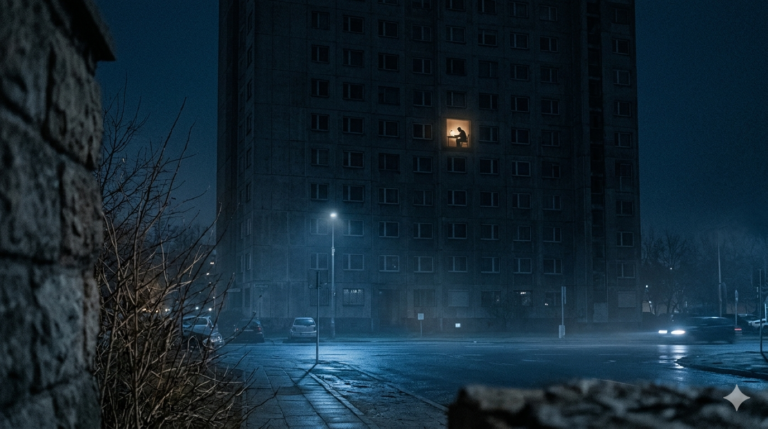
We’ve all used the phrase. Big Brother is watching. It gets thrown around whenever a CCTV camera catches us picking our nose at a red light, or when an app asks for one too many permissions. It’s become shorthand for surveillance — vaguely sinister, vaguely funny, the kind of thing you mutter and then scroll on.
But if that’s all Big Brother means to you, you’ve only read the first layer of what Orwell wrote. And honestly, it’s the least interesting one.
Because here’s the thing: in 1984, Big Brother might not even exist.
The Face That Was Never There
Read the novel carefully and you’ll notice something strange. Nobody ever meets Big Brother. Nobody confirms he’s real. He stares out from posters and telescreens, his eyes following you around the room in that classic propaganda-poster way, but he never speaks for himself. He never appears.
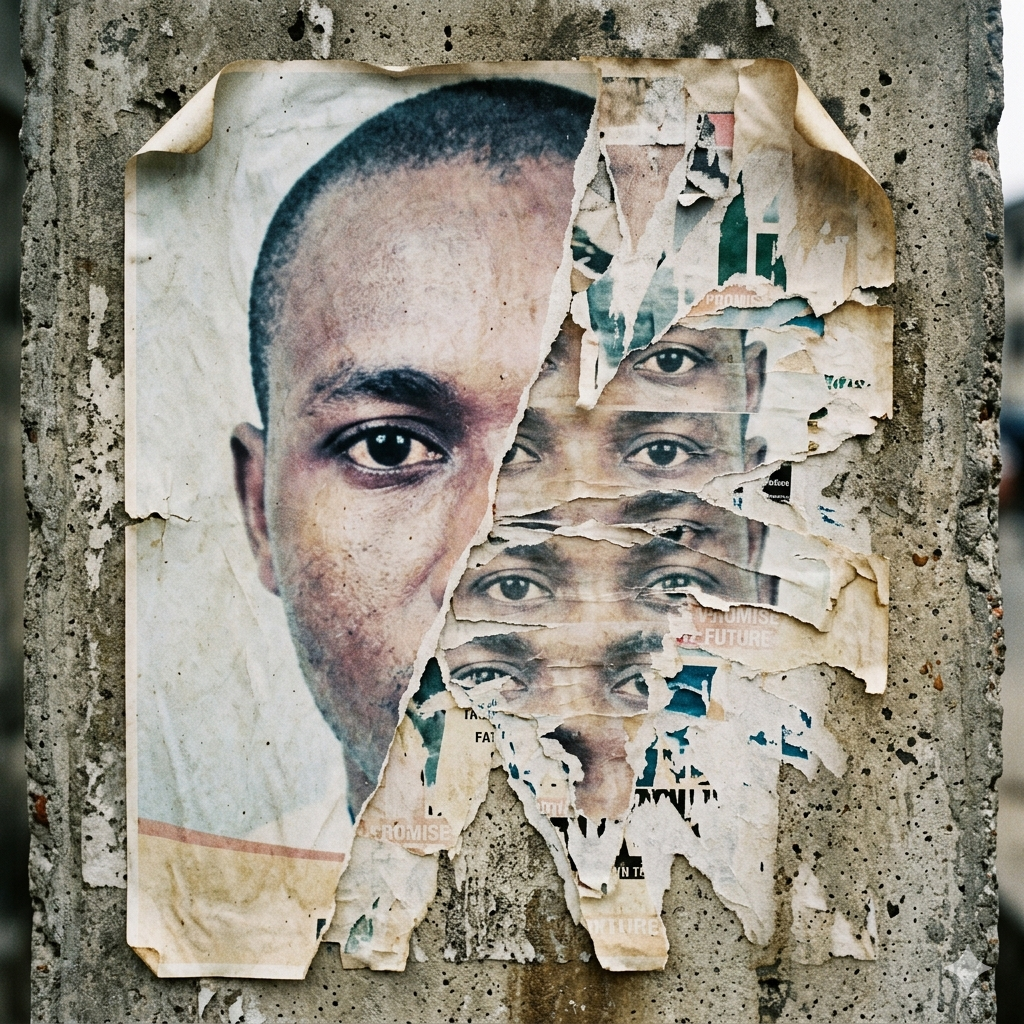
When Winston finally pushes O’Brien on the question — does Big Brother exist? — the answer he gets is slippery. He exists as the Party exists. He will never die.
Which is another way of saying: he was never a person to begin with.
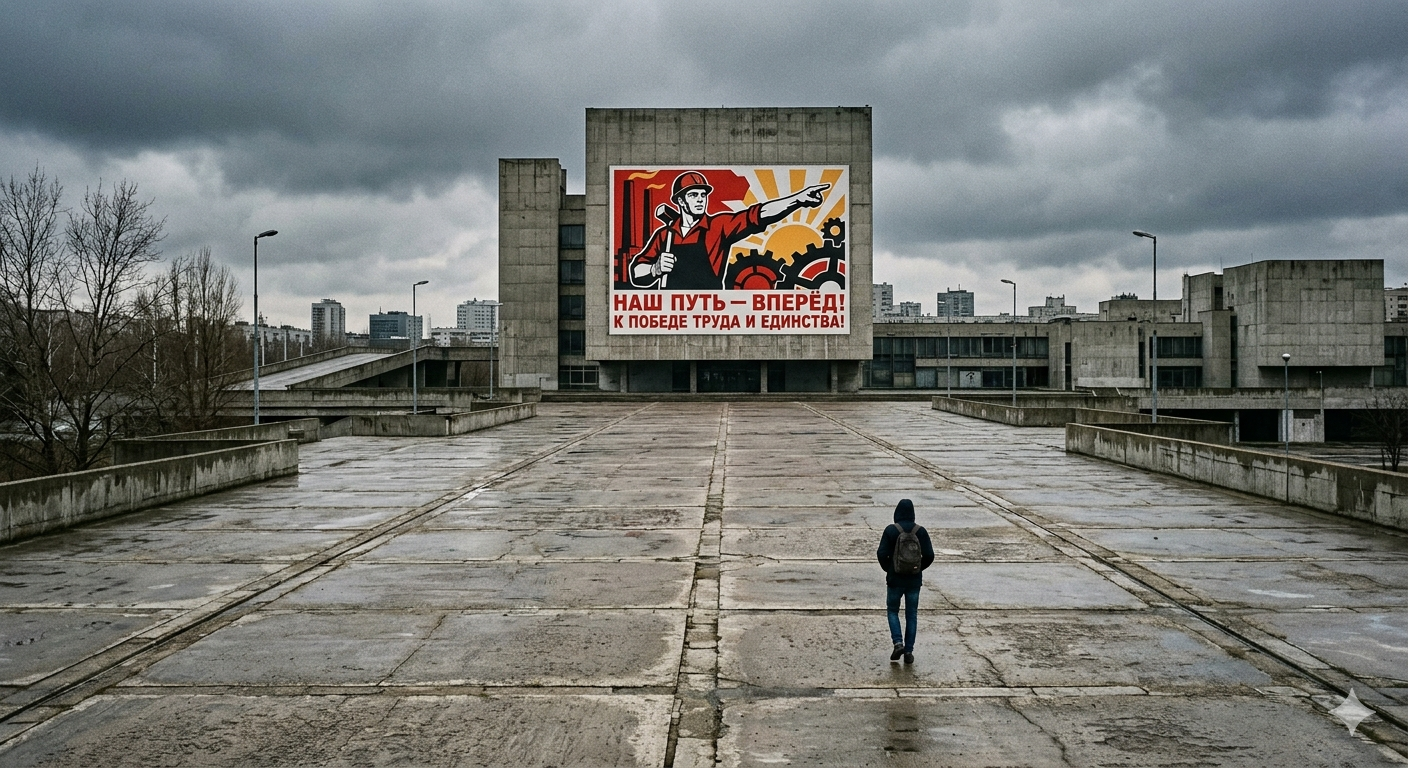
Big Brother isn’t a dictator. He’s a logo. A brand. A face designed to give a system of power something human-looking to point at, so the system itself can stay invisible. And once you see that, the phrase “Big Brother is watching” starts to mean something much worse than surveillance.
It means there is no one to appeal to. No one to overthrow. No man behind the curtain — just the curtain, all the way down.
Surveillance Was Always the Smaller Half of the Story
The popular reading of Orwell treats 1984 like a warning about cameras. About being watched. And sure, the telescreens are there, the thought police are there, the Two Minutes Hate is there. But Orwell wasn’t really afraid of being seen. He was afraid of being shaped.

The horror of the novel isn’t that the Party knows what Winston is doing. It’s that the Party gets to decide what Winston believes. That two plus two can equal five if the Party says so. That the past is whatever the Party prints in tomorrow’s newspaper. That love itself can be tortured out of a person and replaced with loyalty to a face on a poster.
Big Brother isn’t watching you. Big Brother is rewriting you.
The Cult You Don’t Know You’re In
There’s a reason Big Brother is called Brother and not Leader or General or Father. It’s intimate. It’s familial. It’s meant to feel close, even loving.
That’s the move. Authoritarianism in 1984 doesn’t show up in jackboots — it shows up in warmth. In belonging. In the comfort of being told what to think by a face that smiles down at you like family. The citizens of Oceania don’t just obey Big Brother. By the end of the book, the most broken among them genuinely love him.
This is the part that gets lost when we reduce the phrase to “creepy surveillance.” Orwell wasn’t just describing tyranny. He was describing a tyranny people would choose. Would defend. Would cry tears of gratitude for.
And if you’ve ever watched a crowd cheer for someone who is openly working against their interests, you already know this story isn’t science fiction.
Why It Lands Harder Now
We live in a strange moment for Orwell. On one hand, the surveillance reading of 1984 has never been more literal — our phones really do listen, our locations really are tracked, our faces really are scanned. On the other hand, that’s almost a distraction. The cameras are obvious. The cameras we can argue about.
What we can’t quite see is the part Orwell was actually warning us about: the slow rewriting of what’s true. The way a phrase can mean one thing on Monday and its opposite on Friday. The way a video can be real and unreal at the same time. The way entire histories can be quietly edited while we’re looking at our screens. The way a face — a brand, a movement, a vibe — can ask for our love and get it, no questions asked.
That’s Big Brother. Not the camera in the corner. The instinct in your chest to belong to something bigger than yourself, no matter what it asks of you.
Reading Between the Lines
The reason 1984 still matters isn’t that Orwell predicted CCTV. He didn’t, really — the technology in the book is almost charmingly clunky compared to what we carry in our pockets. He predicted something subtler and more frightening: that the most effective form of control wouldn’t feel like control at all. It would feel like clarity. Like community. Like finally being on the right side.
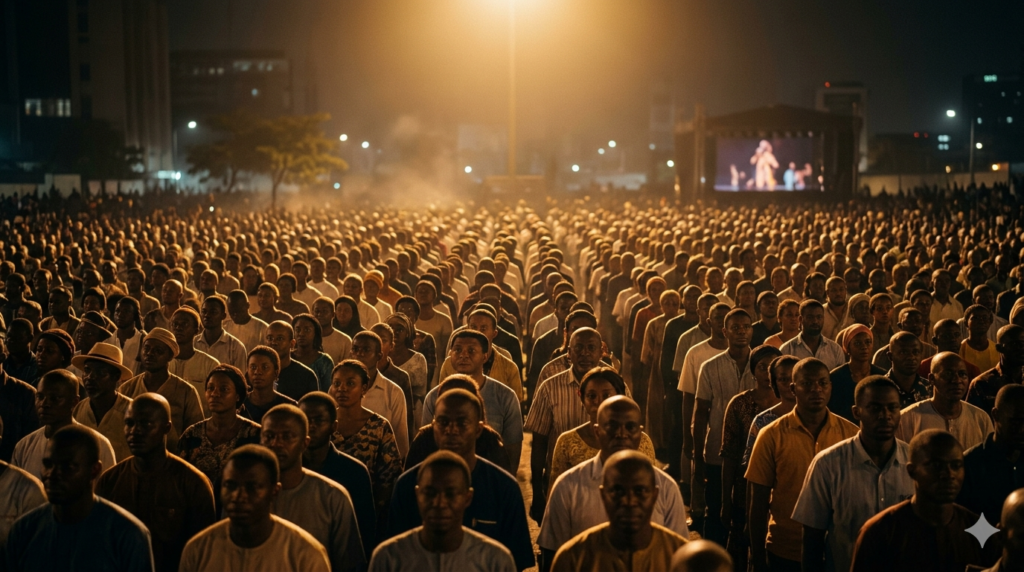
So the next time someone jokes that Big Brother is watching, you can laugh along. But underneath the joke, remember what Orwell actually meant. Big Brother isn’t a man with binoculars. He’s the part of a system that asks you to stop thinking for yourself — and the part of you that’s tempted to say yes.
That’s what’s really watching.
And the most unsettling thing about it is that it doesn’t need eyes.