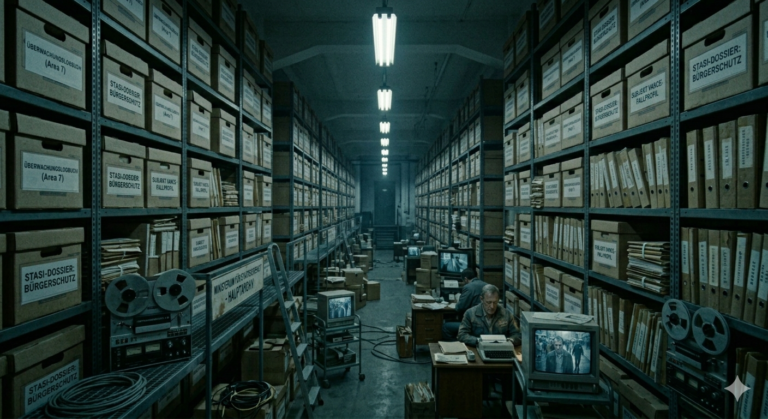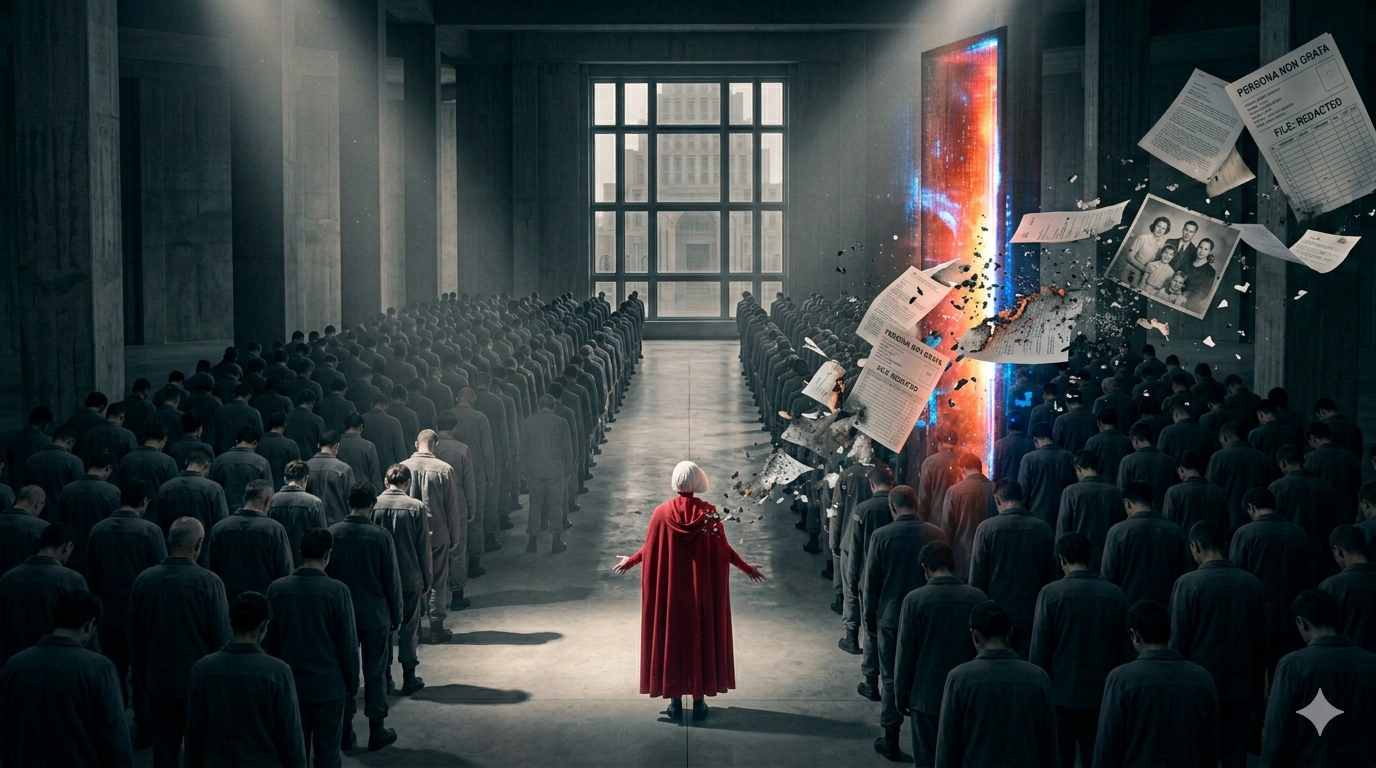
The Memory Hole Is Real, and It Is Currently Operating: A Reading of How Regimes Erase the Recent Past
There is a moment in Nineteen Eighty-Four when Winston Smith quietly alters a newspaper record and drops the original into a slot that leads to an incinerator. The system is efficient, invisible, and constant. What disappears is not just paper. It is proof. It is memory. It is the past itself, rewritten in real time.
For a long time, this idea felt exaggerated. It belonged to fiction, to dystopia, to a future that had not yet arrived. That comfort is harder to maintain now. The mechanisms may look different, but the function remains strikingly similar. The memory hole did not stay in the pages of George Orwell’s imagination. It evolved.
The Modern Memory Hole
Today, erasure rarely looks like flames and ash. It looks like edits, deletions, algorithmic invisibility, and narrative overload. Information is not always destroyed. Sometimes it is buried so effectively that it might as well be gone.
Governments and institutions no longer need to eliminate every inconvenient fact. They only need to make it difficult to find, easy to doubt, or exhausting to verify. A statement is made. It circulates. It is denied. It is reframed. Soon, the original version feels uncertain, even to those who witnessed it.
This is the new efficiency. Not total destruction, but strategic confusion.
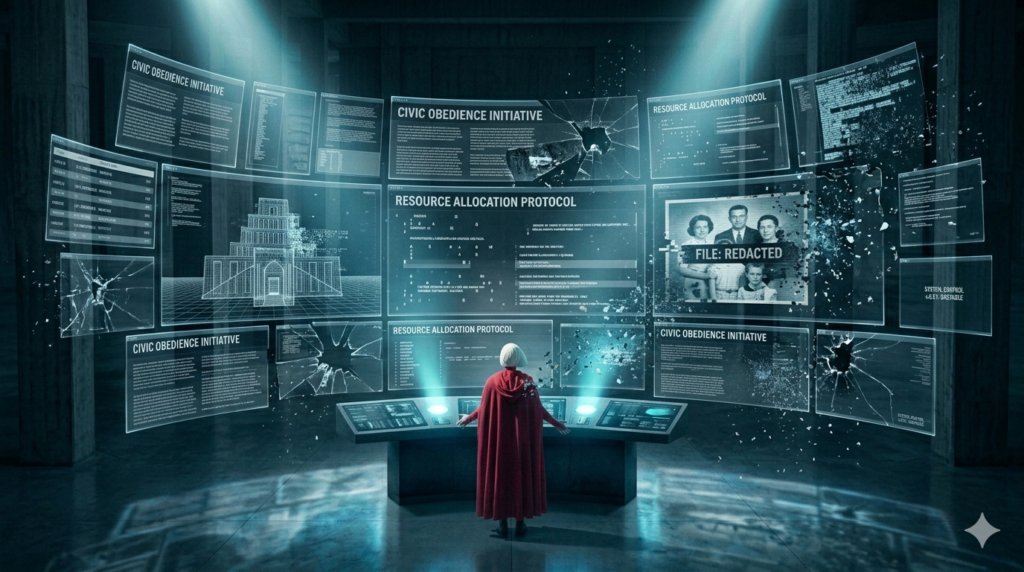
Rewriting in Real Time
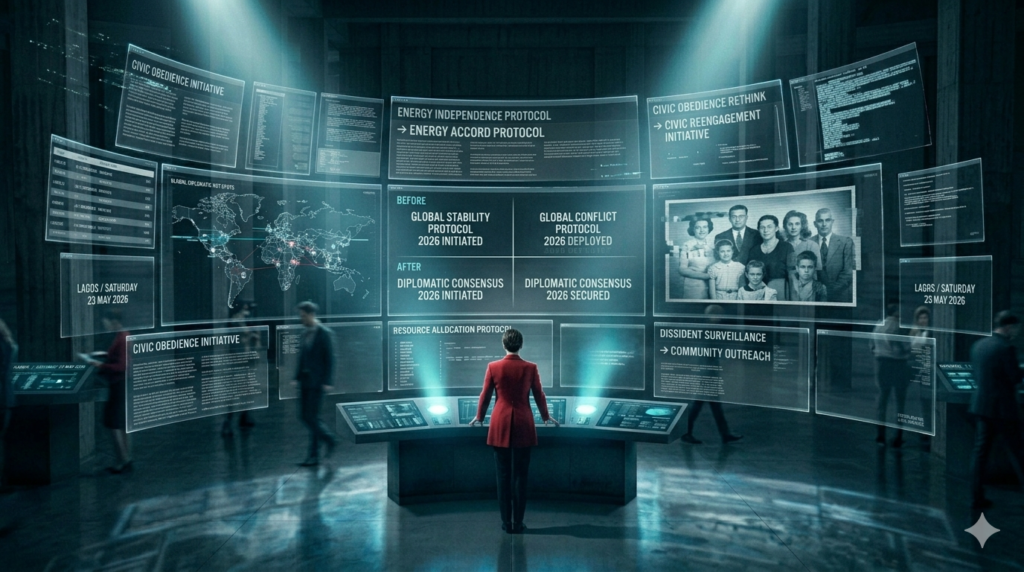
One of the most unsettling aspects of modern information control is speed. In Orwell’s world, revision took time and labor. Now it happens almost instantly.
A speech is uploaded and quietly edited hours later. A headline is changed without acknowledgment. A post disappears. A new narrative replaces the old one before it has time to settle into public memory.
What makes this powerful is not just the act of rewriting, but the pace at which it happens. Memory relies on repetition and stability. When both are disrupted, certainty begins to erode.
The result is not always that people believe the new version. It is that they stop trusting any version at all.
The Role of Overload
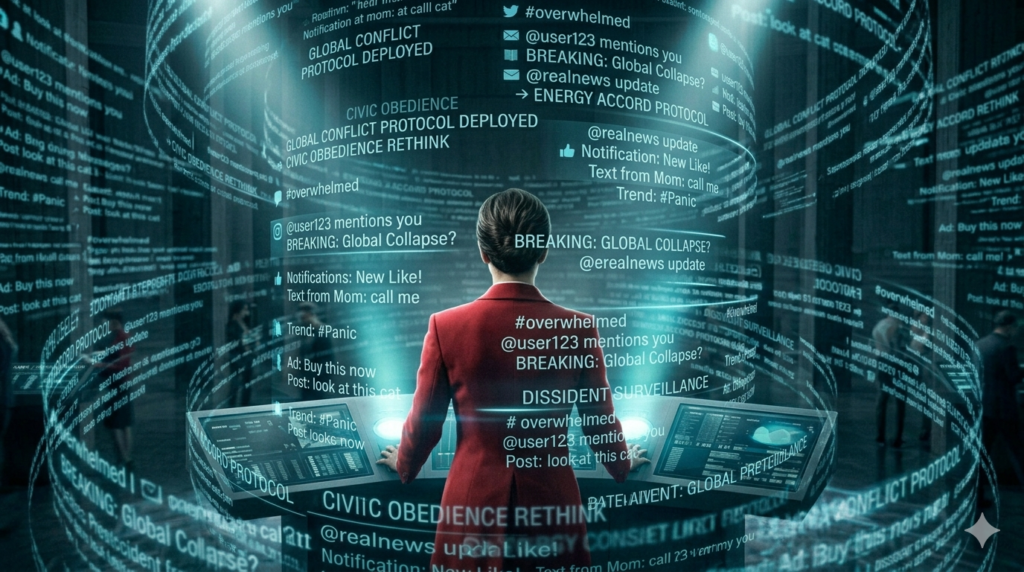
Erasure is not always about subtraction. It can also be about excess.
We are surrounded by more information than any previous generation. News updates, social media feeds, endless commentary. In this environment, even significant events can vanish beneath the next wave of content.
The past does not need to be deleted if it can be drowned.
This creates a strange paradox. We have unprecedented access to information, yet our collective memory feels increasingly fragile. What matters is not just what exists, but what persists.
Participation and Complicity
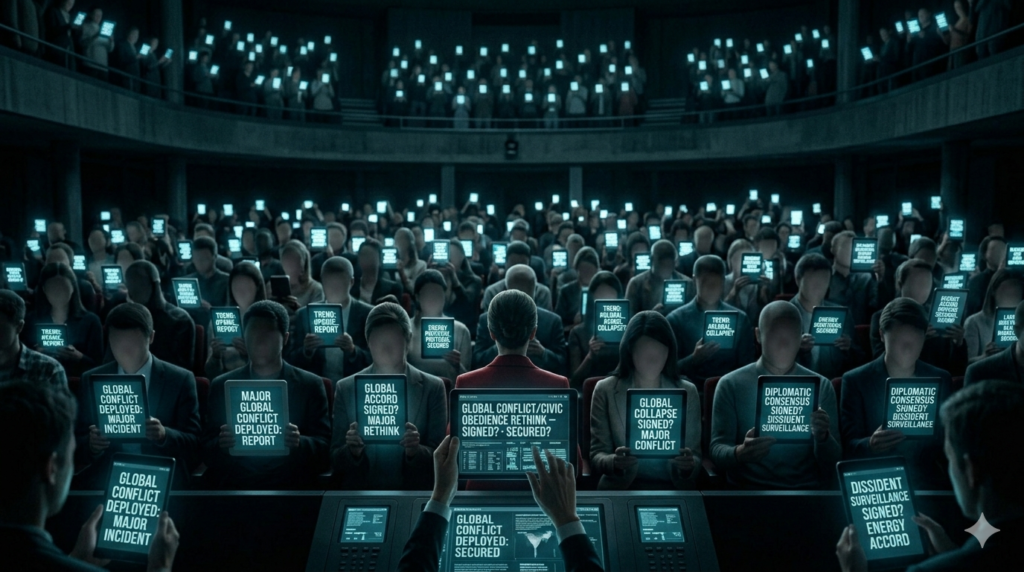
It is tempting to imagine the memory hole as something imposed entirely from above. In reality, it often depends on participation from below.
People share, react, forget, and move on. Outrage cycles are short. Attention shifts quickly. In some cases, individuals knowingly engage in selective memory, choosing versions of events that align with their beliefs or identities.
This does not absolve institutions of responsibility. It complicates the picture. The memory hole is not just a machine. It is a process that involves both power and behavior.
What Gets Lost
When the recent past becomes unstable, the consequences go beyond confusion. Accountability weakens. Patterns become harder to recognize. Lessons fail to carry forward.
If a statement can be denied and its record obscured, responsibility becomes negotiable. If events blur together, cause and effect become harder to trace. Over time, this reshapes how societies understand themselves.
History does not need to be fully erased to lose its force. It only needs to be softened, fragmented, or made uncertain.
Holding on to Reality
If the memory hole is real, the question becomes what can be done about it.
Part of the answer lies in documentation. Screenshots, archives, independent records. These are imperfect tools, but they create friction against erasure.
Another part lies in attention. Remembering requires effort. It means resisting the constant pull toward the next update, the next outrage, the next distraction.
It also requires a willingness to sit with complexity. Not every contradiction is evidence of manipulation, but some are. Distinguishing between the two is difficult, and increasingly necessary.

Final Thoughts
The power of the memory hole in Nineteen Eighty-Four was never just about censorship. It was about control over reality itself. Whoever controls the past, controls the present. Whoever controls the present, controls the future.
That idea no longer feels distant.
The tools have changed. The methods have adapted. But the core principle remains intact. The past is not as fixed as we would like to believe, and the systems that shape it are already in motion.
The question is not whether the memory hole exists. It is whether we recognize it when we see it.