The Handmaid’s Tale on Screen: What the Show Got Right, and What It Cannot Stop Getting Wrong
When The Handmaid’s Tale first premiered, it felt less like an adaptation and more like a warning siren. Based on Margaret Atwood’s novel, the series quickly became one of the most talked-about shows of its time. It arrived at a moment when audiences were already anxious about politics, power, and the fragility of rights. The show did not need to stretch reality too far to feel plausible.
But years into its run, the question has shifted. It is no longer just about whether the show is powerful. It is about whether it still understands what made it powerful in the first place.
What the Show Got Right
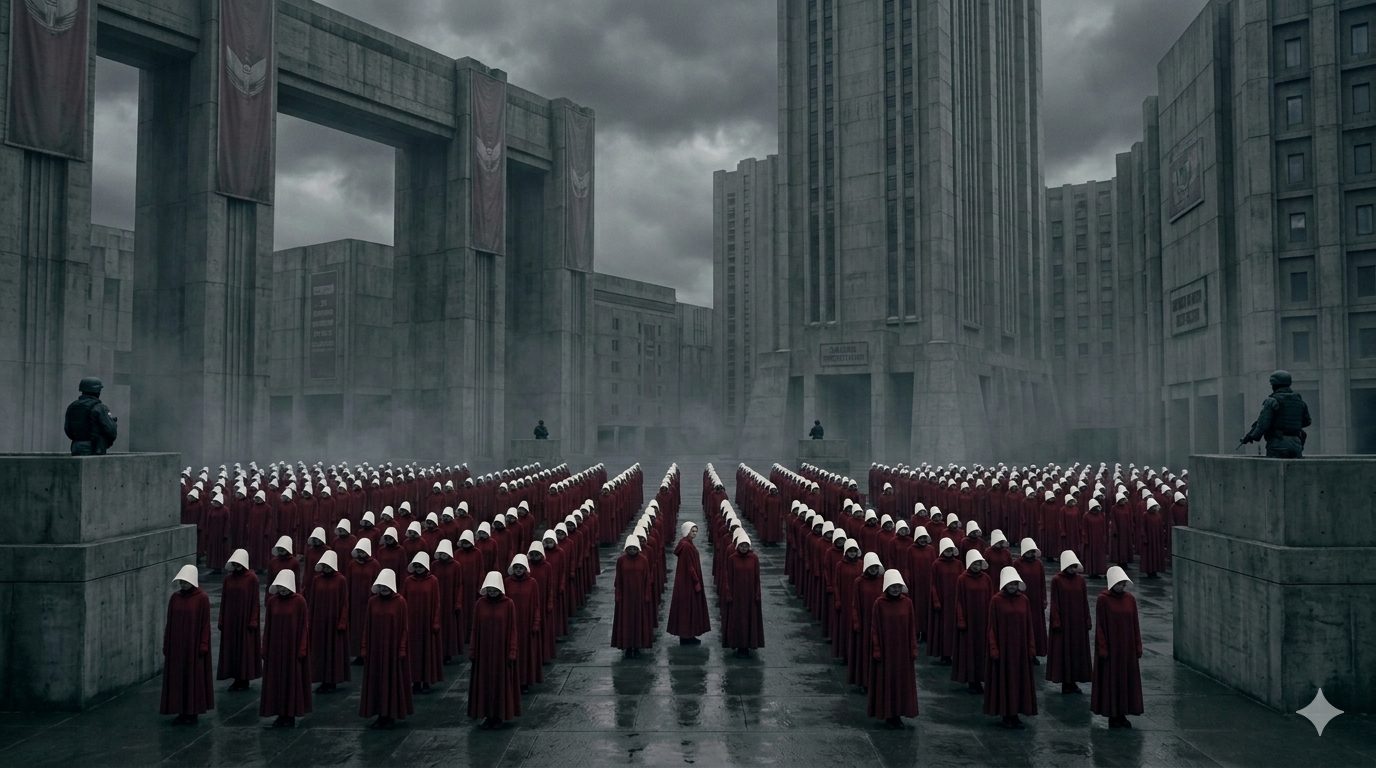
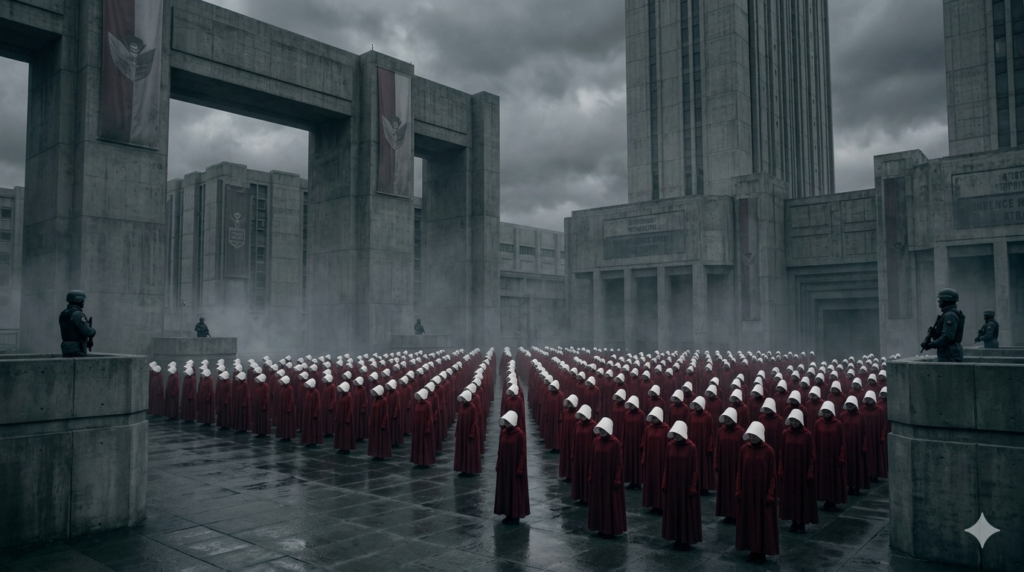
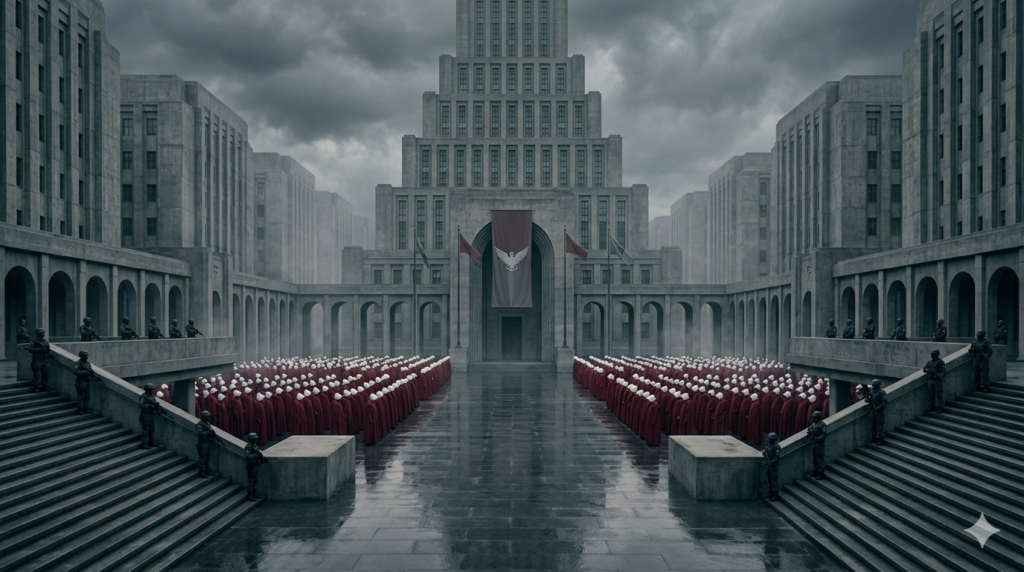
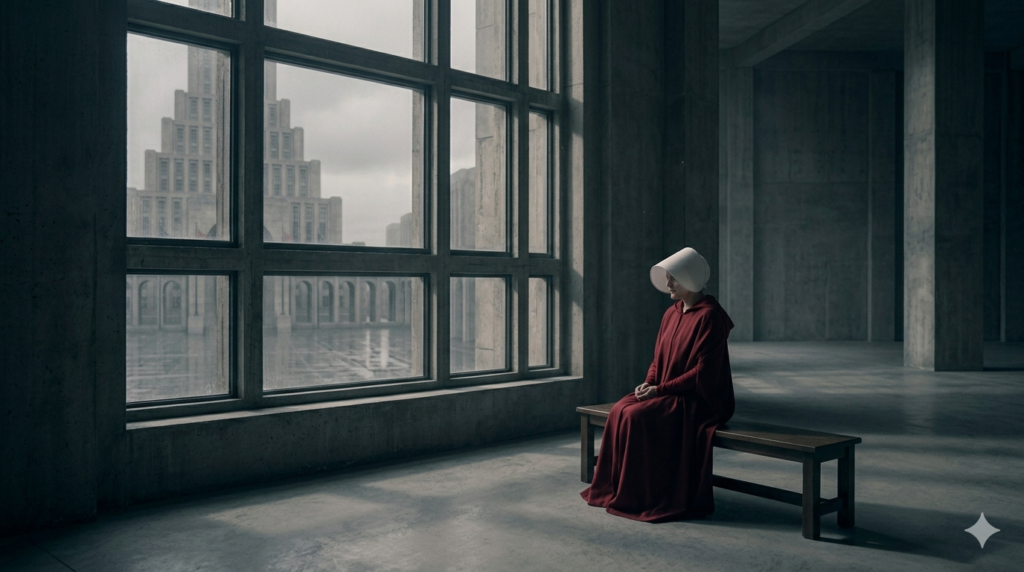
One of the show’s strongest achievements is its atmosphere. From the beginning, it understood that Gilead is not frightening because it is loud or chaotic. It is frightening because it is quiet, controlled, and methodical. The muted color palette, the rigid framing, and the suffocating stillness all reinforce the sense that individuality has been erased.
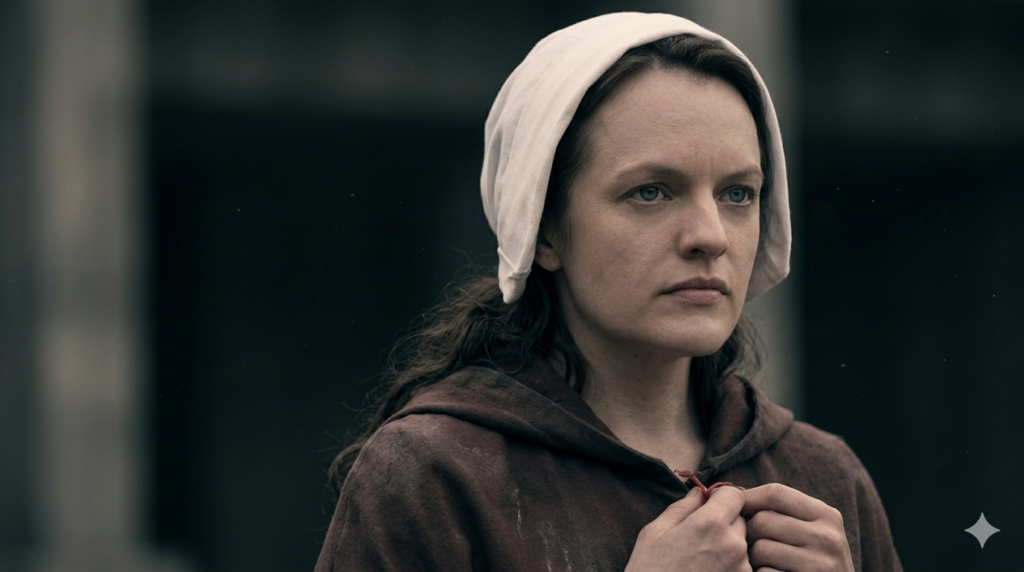
The performances also deserve credit. Elisabeth Moss, in particular, carries the emotional weight of the series with a kind of restrained intensity that mirrors the world her character inhabits. Her silences often say more than the dialogue ever could.
Another thing the show handled well is the expansion of the world beyond the original novel. Atwood’s book is tightly focused and deliberately ambiguous about the larger mechanics of Gilead. The series took the risk of showing more. It explored the colonies, the resistance networks, and the international response. At its best, this added layers rather than diluting the story.
The show also captured something essential about power. It does not present Gilead as a system upheld only by obvious villains. Instead, it shows how ordinary people become complicit. Some benefit. Some survive. Some convince themselves they have no choice. That moral gray area is where the story feels most honest.
Where the Show Starts to Slip
The longer the series goes on, the more it struggles with its own success. What began as a tightly controlled story has gradually become something looser, sometimes even repetitive.
One of the biggest issues is narrative immunity. June, as a character, has survived so many impossible situations that the tension has started to erode. Early on, every risk felt real. Now, it often feels like the story will bend to keep her alive no matter what. That kind of predictability weakens the stakes.
There is also a growing tendency toward spectacle over subtlety. The early seasons trusted the audience to sit with discomfort. Later seasons sometimes feel the need to underline every emotion, every injustice, every moment of rebellion. It becomes less about what is implied and more about what is shown, and often shown repeatedly.
Another problem is pacing. The show stretches certain arcs far beyond their natural endpoint while rushing through others that could have been more meaningful. This uneven rhythm makes it harder to stay fully invested.
The Shift in Focus
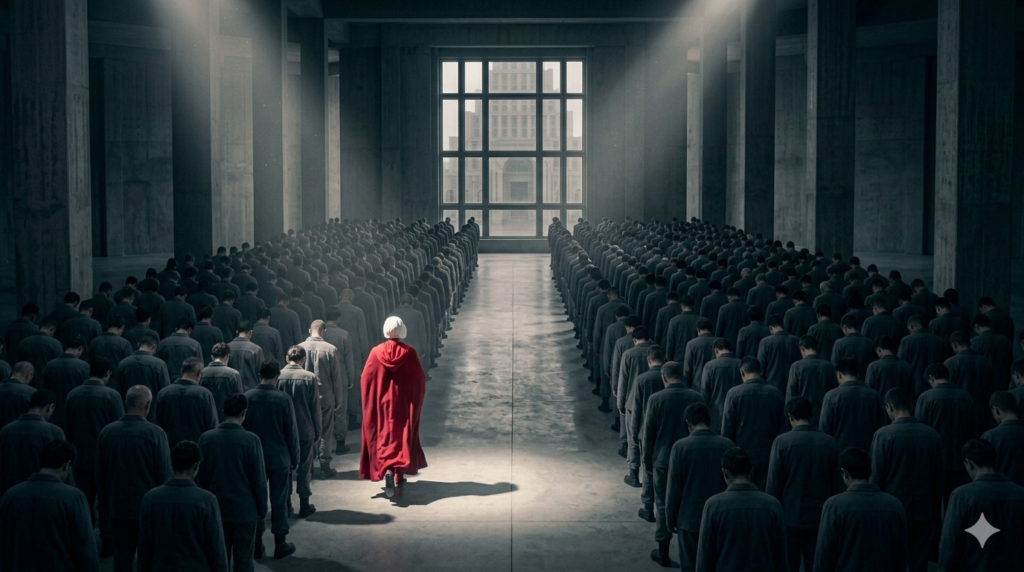
Perhaps the most noticeable change is the shift from systemic horror to personal revenge. The original story was never just about one woman fighting back. It was about a society that made such a fight necessary in the first place.
As the series progresses, it increasingly centers on June’s personal journey. While that can be compelling, it also narrows the scope. Gilead becomes less of a fully realized world and more of a backdrop for one character’s arc.
This shift risks losing what made the story resonate. The fear was never just about what could happen to June. It was about what could happen to anyone.
What It Still Does Well
Even with its flaws, the show has not lost all of its edge. It still knows how to create moments that linger. A quiet glance, a small act of defiance, a scene where nothing happens on the surface but everything changes underneath.
It also continues to spark conversation. Few shows manage to stay culturally relevant for as long as this one has. Whether people are praising it or criticizing it, they are still engaging with it, and that says something.
Final Thoughts
Adapting a beloved novel is always a challenge. Extending that adaptation beyond its original scope is even harder. The Handmaid’s Tale succeeded early on because it understood restraint. It trusted its world, its characters, and its audience.
What it struggles with now is knowing when to stop pushing and when to step back. The show is still capable of brilliance, but it often gets in its own way.
Maybe that is the central tension of long-running television. The same ambition that makes a show great can also make it lose its focus. And sometimes, the most powerful thing a story can do is remember what it was trying to say in the first place.


