The Three Sentences That Hold Never Let Me Go Together
Kazuo Ishiguro’s Never Let Me Go does not reveal its emotional power all at once. The novel moves quietly. Conversations drift. Memories overlap. Important truths arrive indirectly, almost casually, until readers suddenly realize they have been walking toward heartbreak from the very beginning.
What makes the novel extraordinary is not only its story, but the way Ishiguro builds emotional meaning through repetition. Certain sentences echo across the novel like distant music. They seem simple when first spoken, yet by the end they carry devastating emotional weight.
Among all the lines in the novel, there are three sentences that quietly hold the entire book together. They connect memory, love, loss, and the terrifying acceptance that defines the world of Never Let Me Go.

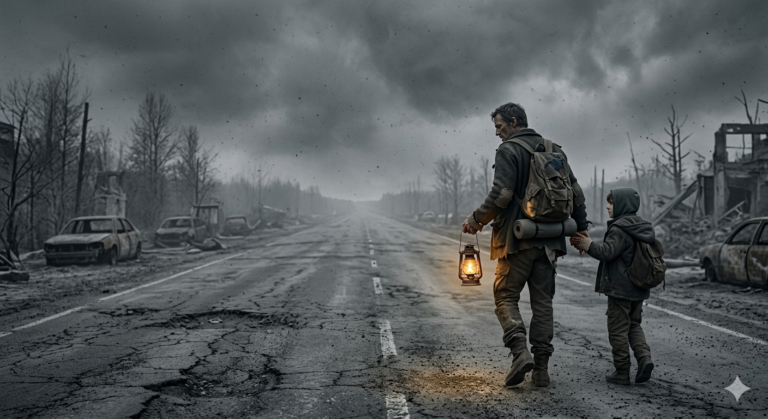
“We all complete.”
This sentence is one of the coldest and most important in the novel because of how ordinary it sounds.
Nobody says “die.”
Nobody says “killed.”
Instead, the clones “complete.”
The word matters because it reveals how language has been designed to soften horror. Throughout the novel, the characters speak gently about terrible things. Euphemisms protect them emotionally while also trapping them inside the system.
But the sentence carries another layer of meaning too.
Completion suggests inevitability. A finished process. Something already decided.
The tragedy of Never Let Me Go is not that the characters fail to escape. It is that they were raised never to imagine escape in the first place. Their acceptance is what makes the novel emotionally unbearable.
This single sentence hangs over every friendship, every romantic moment, and every memory in the story.
No matter how human their lives feel, the system has already written the ending.
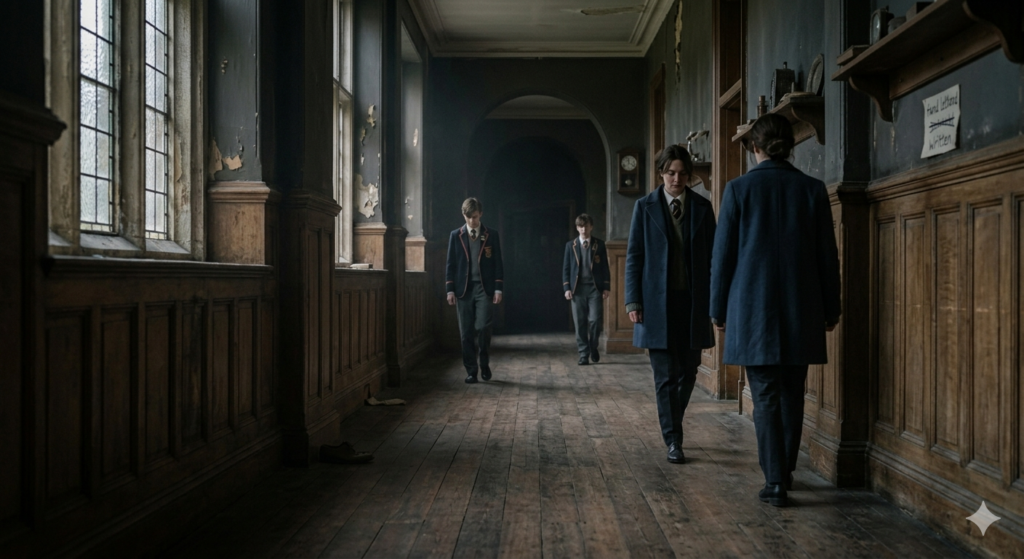
“Never let me go.”
The title itself becomes emotionally devastating once readers understand where it comes from.
At first, the phrase feels romantic and deeply personal. Kathy listens to the song and imagines a woman holding onto a child she desperately loves. The scene feels intimate and innocent.
But Ishiguro slowly transforms the meaning of the phrase across the novel.
By the end, “Never let me go” becomes larger than romance. It becomes a plea against disappearance itself.
The characters want to hold onto:
- their memories
- their friendships
- their identities
- proof that their lives mattered
Kathy’s memories become acts of preservation. She tells the story because storytelling is the only form of survival left available to her.
That is why the novel feels so haunting after it ends. The characters cannot stop the system that destroys them, but through memory they briefly resist being erased completely.
The title sentence quietly becomes the emotional heart of the entire book.
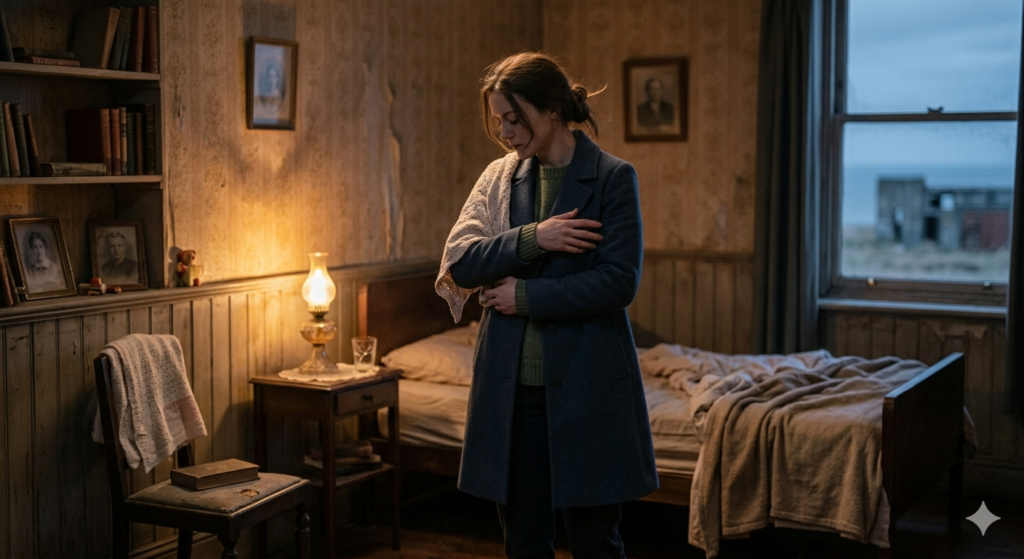
“Maybe none of us really understand what we’ve lived through.”
This line captures the entire emotional architecture of Ishiguro’s writing.
His characters rarely express emotion directly. Instead, they circle around feelings they struggle to fully understand. Memory in Never Let Me Go feels fragmented and uncertain because human memory itself works that way.
The sentence also reflects the reader’s experience.
Even after finishing the novel, readers continue processing it emotionally. Ishiguro withholds dramatic outbursts or explosive revelations. Instead, the horror arrives slowly through realization.
The characters understand pieces of their world without fully confronting what those pieces mean together.
That emotional distance creates the novel’s unique atmosphere. Everything feels calm on the surface while devastation quietly grows underneath.
This sentence ties the novel together because it speaks not only for Kathy, Tommy, and Ruth, but for nearly everyone in the story. They live inside a system too enormous and normalized to fully comprehend while trapped within it.

Why These Three Sentences Matter Together
Each sentence represents a different layer of the novel.
“We all complete” represents fate.
“Never let me go” represents emotional longing.
“Maybe none of us really understand what we’ve lived through” represents memory and uncertainty.
Together, they form the emotional triangle holding the novel together.
The characters know their fate.
They long for connection anyway.
And they spend their lives trying to understand what their existence truly meant.
That combination creates the novel’s quiet devastation.
Unlike many dystopian novels, Never Let Me Go does not focus on rebellion or revolution. Ishiguro is more interested in something painfully human: how people continue loving, remembering, and searching for meaning even when the future is already closing around them.
Ishiguro’s Greatest Strength Is Restraint
Many writers would turn this story into open tragedy. Ishiguro does the opposite. He writes with restraint so the emotional impact grows slowly inside the reader.
The novel never screams its sadness.
It whispers it.
That restraint is why these sentences matter so much. Ishiguro carefully repeats emotional ideas in small ways until they begin echoing across the entire novel.
By the end, even ordinary phrases feel heavy with grief.
Readers realize the tragedy was always there from the beginning, hidden inside seemingly gentle conversations.

The Novel’s Real Horror
The science fiction premise often distracts people from what the novel is truly about.
The horror is not cloning itself.
The horror is how easily human beings accept systems that reduce other people into objects.
The clones are raised to believe their suffering is natural and necessary. What makes the story terrifying is how normal everything feels. Teachers worry about manners. Students gossip about relationships. Life continues quietly even as an enormous moral crime exists underneath daily routine.
Those three sentences reveal this emotional structure perfectly.
The language remains soft.
The emotions remain restrained.
The tragedy remains unavoidable.
And that combination makes the novel unforgettable.
Final Thoughts
The emotional power of Never Let Me Go comes from the way Kazuo Ishiguro hides enormous truths inside quiet sentences. “We all complete,” “Never let me go,” and “Maybe none of us really understand what we’ve lived through” each carry a different part of the novel’s emotional burden.
Together, they create a story about memory, mortality, and the desperate human need to believe our lives mattered to someone.
That is why the novel lingers for so long after the final page.
It does not shock readers with loud tragedy.
It leaves them sitting silently with the unbearable tenderness of being human.