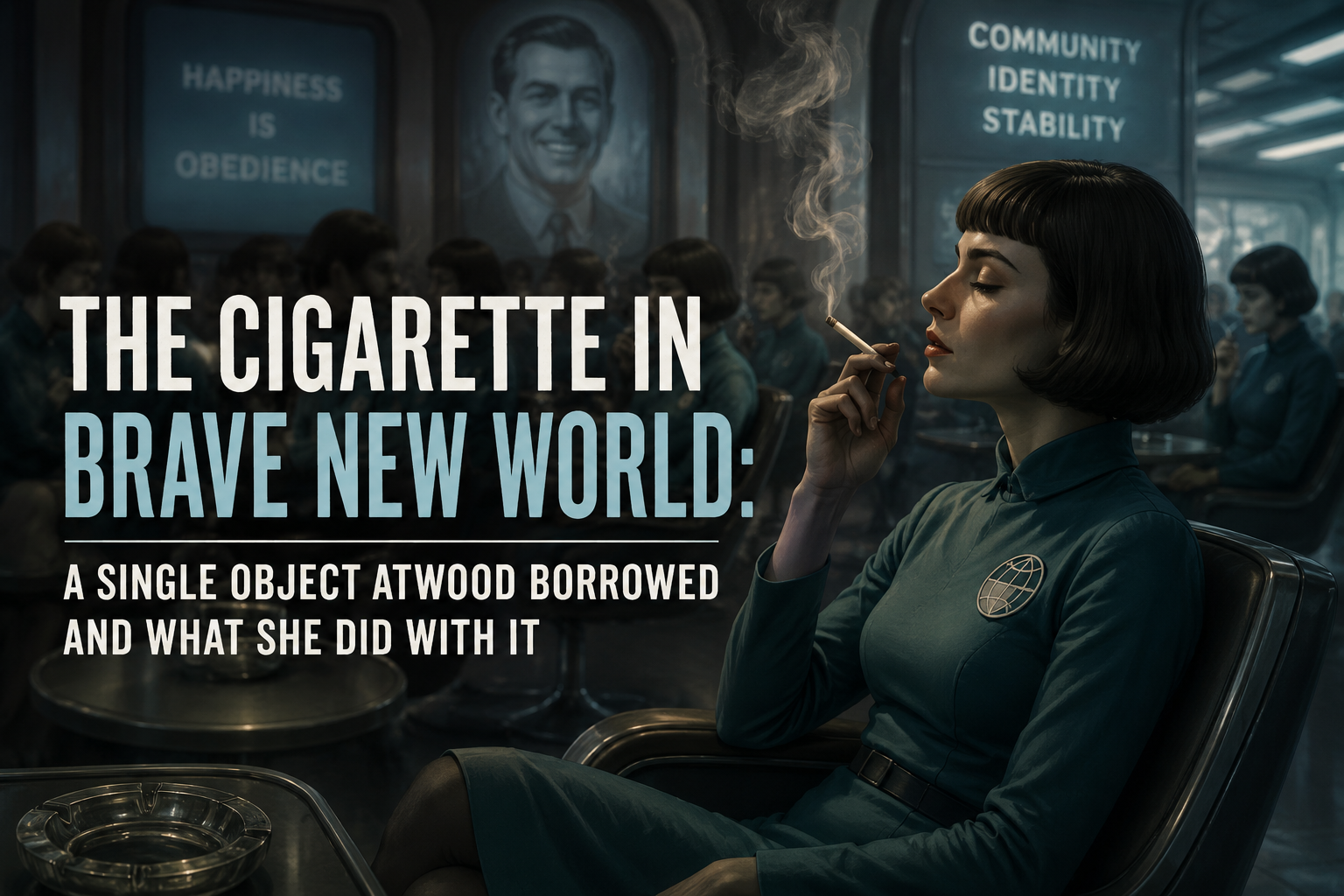
The Cigarette in Brave New World: A Single Object Atwood Borrowed and What She Did With It
Some literary symbols are loud and impossible to miss. Others sit quietly in the background, appearing ordinary until you realize they carry the emotional weight of an entire world. The cigarette in Aldous Huxley’s Brave New World is one of those objects. It drifts through scenes almost casually, part of the polished machinery of pleasure and distraction that defines Huxley’s society. Yet decades later, Margaret Atwood would take similar symbolic ideas and reshape them in her own dystopian fiction, turning ordinary objects into tools of control, identity, and resistance.
At first glance, a cigarette may not seem important enough to connect two major dystopian writers. But literature often hides its deepest truths inside everyday habits. Smoking in Brave New World is not merely recreational. It represents comfort, conformity, emotional suppression, and manufactured satisfaction. Atwood borrowed this idea of the ordinary object carrying political and emotional meaning, then pushed it into darker and more intimate territory.
The Cigarette as a Symbol of Manufactured Pleasure
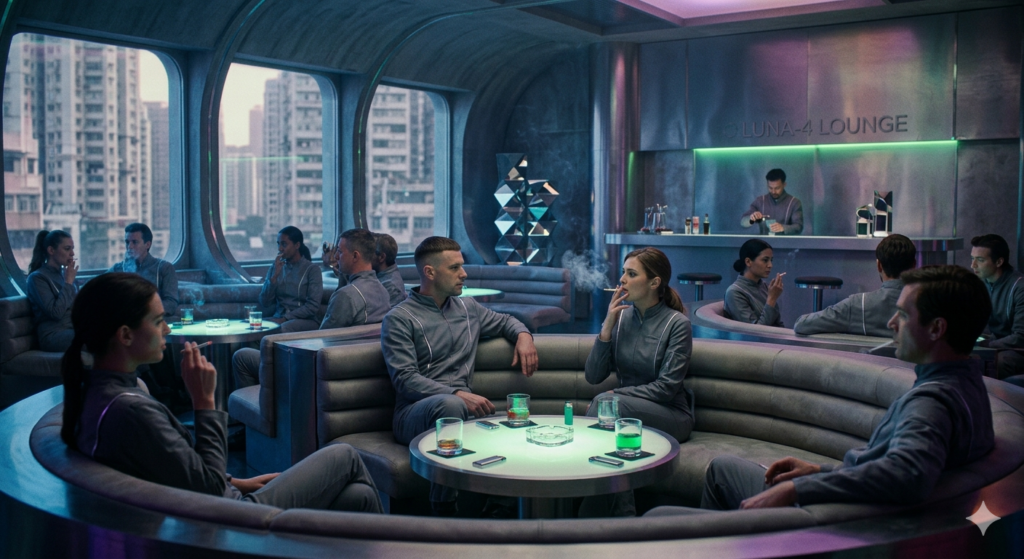
In Brave New World, pleasure is everywhere. Citizens are conditioned from birth to avoid discomfort, avoid deep thought, and avoid emotional attachment. Entertainment is constant. Desire is instantly satisfied. The society survives because nobody is allowed to sit with pain long enough to question the system.
The cigarette fits naturally into this world. Smoking becomes another controlled pleasure, another carefully packaged experience meant to keep people passive and content. Huxley understood that small comforts can become political tools. The state does not need violence when it can seduce people into obedience.
This is what makes the cigarette symbol so effective. It looks harmless. It even appears glamorous at times. Yet beneath the surface, it reflects the entire philosophy of the World State. Citizens consume pleasure the way they consume products. Thoughtlessly. Automatically. Repeatedly.
Huxley was writing during a period when smoking symbolized sophistication and modernity. He used that cultural image cleverly. The cigarette becomes part of the illusion that this society is civilized and advanced, even as it quietly destroys individuality.
Atwood’s Transformation of the Ordinary Object
Margaret Atwood absorbed many lessons from earlier dystopian writers, including Huxley. One of the most important was the idea that power hides itself inside ordinary routines and objects.
In novels like The Handmaid’s Tale, Atwood does not rely heavily on futuristic gadgets or grand spectacles. Instead, she transforms everyday items into symbols loaded with fear and control. Clothing, makeup, food, mirrors, even written words become emotionally charged.
Where Huxley’s cigarette symbolizes passive pleasure, Atwood’s objects often symbolize stolen autonomy.
A cigarette in Atwood’s world would never simply be a cigarette. It would become a privilege, a memory of freedom, or a forbidden act of self-expression. Atwood takes Huxley’s idea and intensifies it. She focuses less on distraction and more on deprivation.
That difference reveals the gap between the two writers’ fears.
Huxley feared people would surrender freedom willingly because pleasure made resistance unnecessary.
Atwood feared systems that strip people of identity piece by piece until even ordinary acts become political.

Why Small Objects Matter in Dystopian Fiction
Dystopian stories rarely focus only on governments or laws. The most effective ones show how power enters daily life. Readers connect more deeply to a forbidden cigarette than to abstract political theory because objects feel personal.
A cigarette touches the body. It involves ritual. Hands. Breath. Desire. Habit.
That intimacy makes it powerful.
Both Huxley and Atwood understand that control becomes most dangerous when it feels normal. A society does not collapse into oppression overnight. It happens through routines people stop questioning.
In Brave New World, citizens are surrounded by comforting rituals that prevent emotional depth. In Atwood’s fiction, rituals become mechanisms of obedience. The difference is subtle but important.
Huxley’s world says:
“Enjoy yourself and stop thinking.”
Atwood’s worlds say:
“You no longer own yourself.”
That evolution shows how dystopian fiction changed across generations. Huxley focused on excess. Atwood focused on restriction. Yet both use ordinary objects to expose the emotional architecture of power.
The Psychological Role of Smoking in Literature
Smoking has long carried symbolic meaning in fiction. Writers often use it to suggest rebellion, anxiety, sophistication, loneliness, or self-destruction. In dystopian fiction, it becomes especially useful because it exists at the intersection of pleasure and dependence.
In Brave New World, dependence is central to social stability. Citizens rely on stimulation to avoid reflection. The cigarette fits perfectly beside soma, casual sex, and endless entertainment. Every pleasure reinforces the system.
Atwood takes this literary tradition and strips away the glamour. Her worlds often treat physical desire as dangerous because desire creates independence. A private craving can become the beginning of resistance.
That is why ordinary objects matter so much in dystopian fiction. They reveal who controls the body and who controls the mind.
Huxley and Atwood Shared a Fear of Emotional Numbness
Although their styles differ, both writers worried about emotional disconnection.
In Huxley’s society, people are numbed through endless pleasure. They never experience genuine intimacy because shallow satisfaction replaces meaningful human connection.
Atwood’s characters often experience emotional numbness through fear and repression. Their societies attempt to erase individuality by controlling memory, language, and desire.
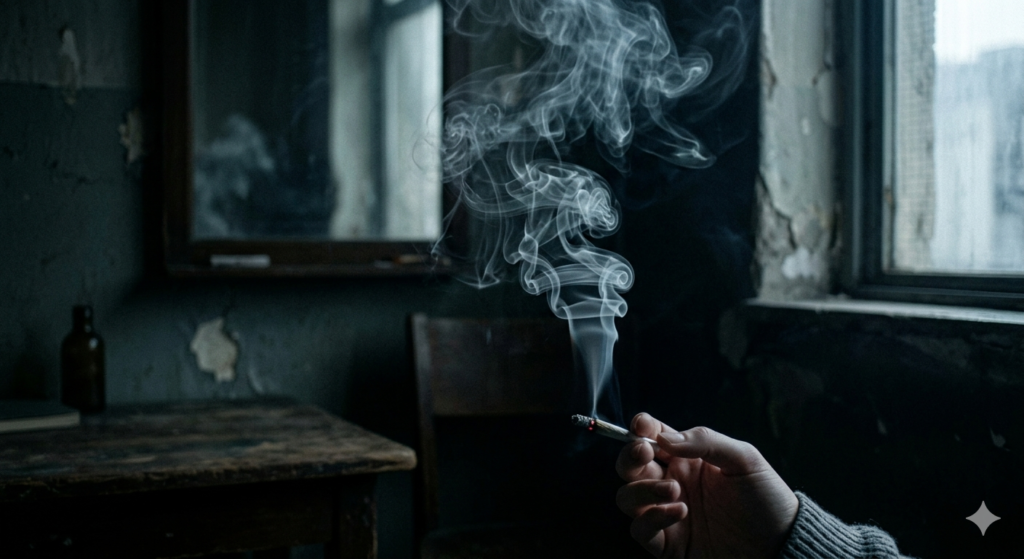
The cigarette becomes an interesting bridge between these ideas because it can symbolize both comfort and emptiness. Smoking fills silence but does not solve loneliness. It creates momentary calm while reinforcing dependency.
That contradiction mirrors dystopian systems themselves. They promise stability while slowly eroding humanity.
What Atwood Ultimately Change
Atwood did not simply imitate Huxley. She modernized the emotional logic behind his symbols.
Huxley’s objects often reflect mass culture and consumerism. Atwood’s objects reflect surveillance, gender, identity, and power over the body.
She borrowed the idea that ordinary objects could carry ideological meaning, then made those objects more intimate and psychologically painful.
That shift explains why Atwood’s fiction often feels deeply personal. Her dystopias are terrifying not because they seem impossible, but because they feel uncomfortably close to real life.
Readers recognize the objects. The routines. The restrictions.
The horror comes from realizing how easily ordinary things can become instruments of control.
Final Thoughts
The cigarette in Brave New World may appear insignificant at first, but it represents one of Huxley’s most important ideas: pleasure can become a prison when it replaces critical thought. Margaret Atwood inherited this understanding and transformed it for a different era. She took the symbolic power of ordinary objects and pushed it toward questions of identity, repression, and survival.
That is why dystopian fiction remains powerful. It does not always warn us through giant catastrophes or dramatic revolutions. Sometimes it warns us through the quiet objects we stop noticing.
A cigarette.
A uniform.
A pill.
A mirror.
The ordinary object becomes the doorway into the soul of the system.