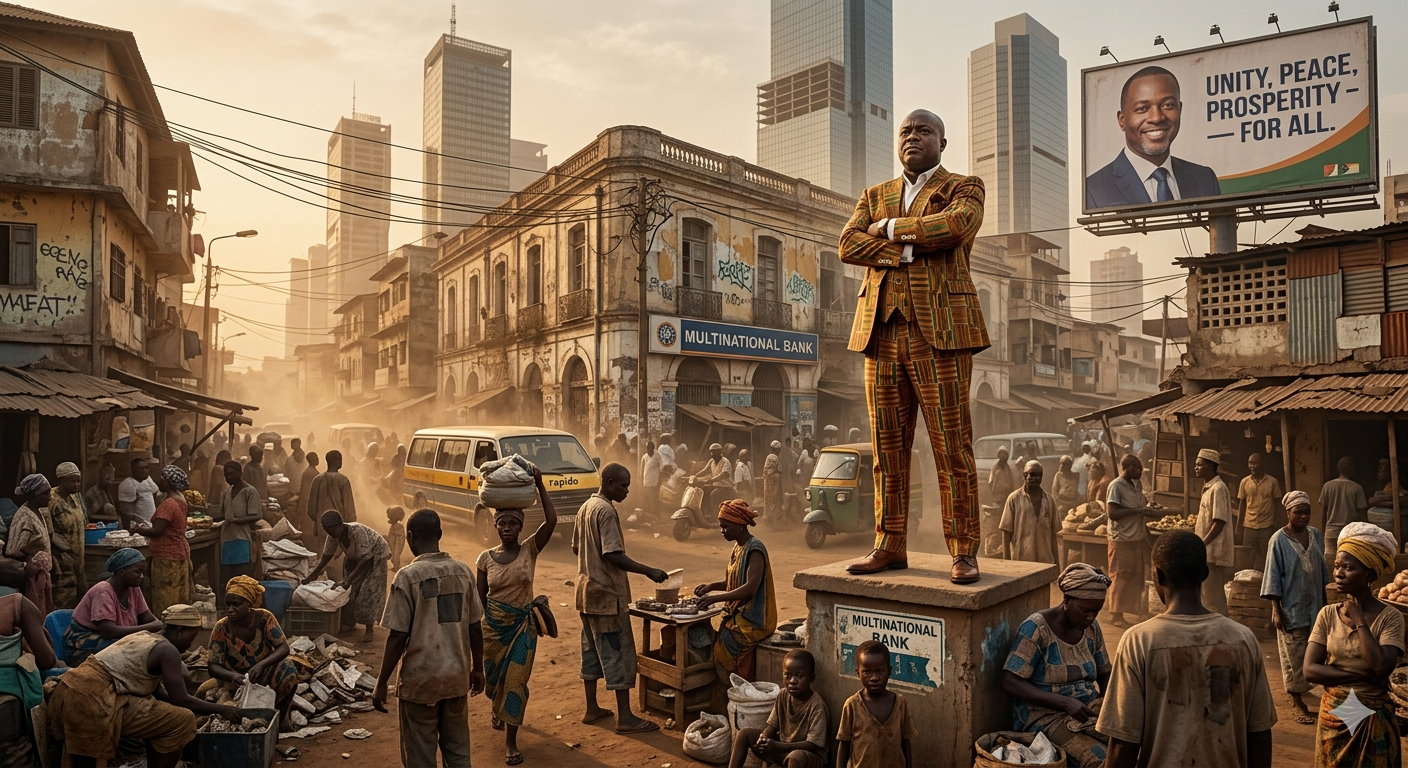
Sembène’s Xala: The Post-Colonial Dystopia Disguised as Satire
Ousmane Sembène’s Xala is usually described as satire.
And it is.
The novel is funny,
absurd,
sharp,
humiliating,
and deliberately theatrical. Sembène mocks political elites with ruthless precision, exposing corruption, greed, vanity, and post-independence hypocrisy through scenes that often feel almost comically exaggerated.
But beneath the satire lies something much darker.
Xala functions like dystopian fiction without ever announcing itself as such. Its world is not futuristic. There are no surveillance systems, authoritarian uniforms, or technologically advanced states. Yet the novel portrays a society trapped inside structures so corrupted and spiritually hollow that independence itself begins feeling like a failed promise.
That is the novel’s deepest horror.
Colonialism officially ends.
The flag changes.
The rulers change.
But the system remains strangely intact.
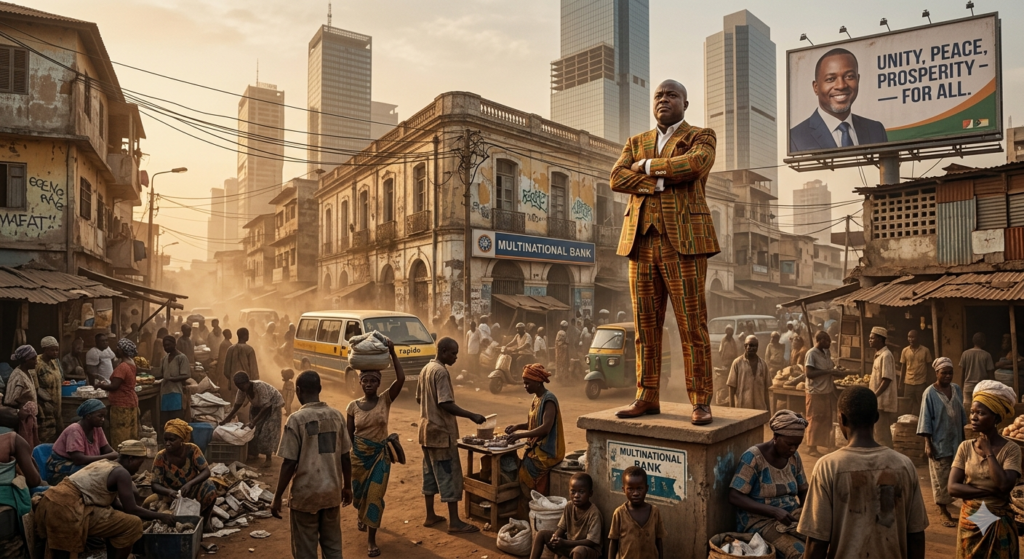
The Novel Begins After the Revolution Has Already Failed
Most anti-colonial stories focus on liberation struggles. Xala begins after independence, when celebration has already curdled into disillusionment.
This timing matters enormously.
Sembène is not interested in colonial oppression alone. He is interested in what happens when newly independent elites inherit colonial power structures and immediately begin reproducing them for personal gain.
The ruling class in Xala adopts European luxury,
European status symbols,
European business culture,
and European systems of hierarchy while abandoning the people independence supposedly promised to empower.
The result feels dystopian because freedom becomes largely symbolic.
Political liberation exists rhetorically.
Economic and social domination continue practically.
Sembène understood that post-colonial societies could become trapped inside inherited systems even after formal independence ended.

El Hadji’s Impotence Is Political
The central plot revolves around El Hadji Abdou Kader Beye, a wealthy businessman and political elite who suddenly becomes impotent after taking a third wife.
The “xala” of the title refers to the curse causing his condition.
At first the premise appears comic.
A powerful man humiliated sexually.
A public figure collapsing privately.
But Sembène turns impotence into political metaphor with brutal effectiveness.
El Hadji represents the postcolonial ruling class itself:
materially wealthy,
performatively modern,
externally powerful,
yet fundamentally incapable of producing meaningful social transformation.
His impotence becomes national symbolism.
The elite possess titles,
cars,
money,
ceremonies,
French education,
and imported prestige.
But spiritually and politically, they remain sterile.
This is where the novel shifts from satire into something closer to dystopian diagnosis.
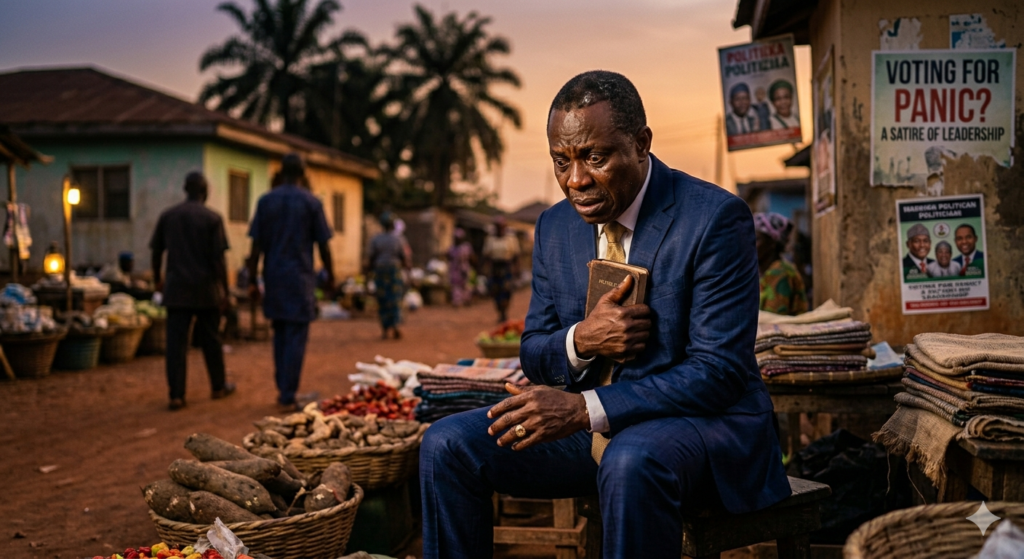
The Novel Understands Corruption as Performance
One of Sembène’s sharpest insights is that postcolonial corruption often operates theatrically.
Characters constantly perform status:
- expensive clothing
- imported goods
- ceremonial speeches
- displays of sophistication
- exaggerated modernity
Power becomes spectacle.
The ruling class imitates colonial authority so thoroughly that authenticity disappears beneath performance. El Hadji’s world is filled with surfaces designed to communicate prestige while concealing moral emptiness underneath.
This creates one of the novel’s most unsettling dynamics.
Nobody appears fully free.
Not even the elites.
Everyone seems trapped performing systems inherited from colonial power structures.
That performative emptiness gives the novel its dystopian atmosphere. Society continues functioning externally while internally decaying.

Women See the Truth Long Before Men Do
Like many of Sembène’s works, Xala pays close attention to how women navigate systems built around male power and public performance.
The women in the novel often recognize realities the male elites refuse to confront. They understand hypocrisy more clearly because they experience its consequences directly.
El Hadji treats wives as status extensions.
Marriage becomes public display.
Female bodies become tied to masculine prestige and social reputation.
Yet the women repeatedly expose the fragility beneath patriarchal authority.
This matters because the novel’s satire is never merely personal. Sembène critiques broader structures linking patriarchy, capitalism, colonial inheritance, and political corruption together.
The dystopia in Xala is systemic.
Gender hierarchy is part of the machinery keeping the illusion alive.
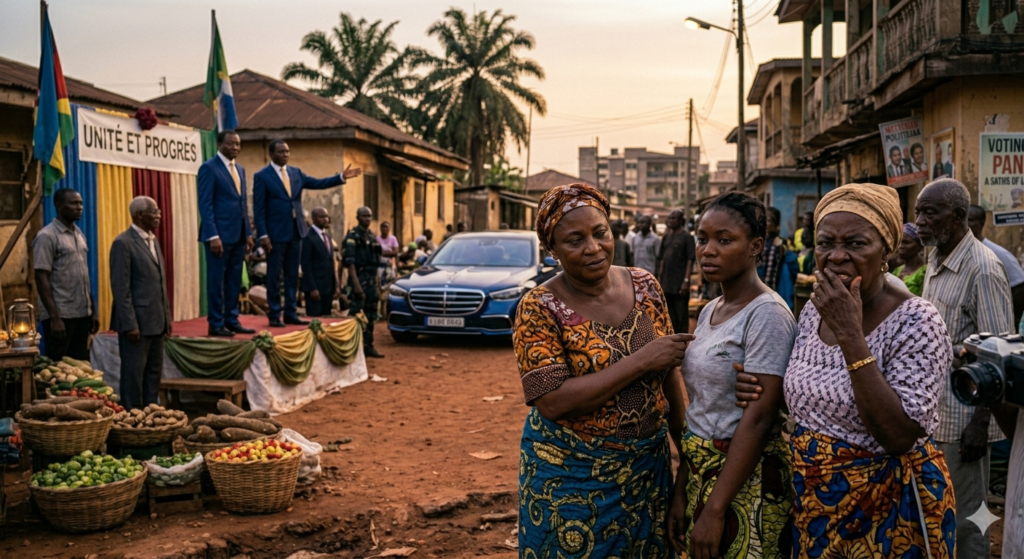
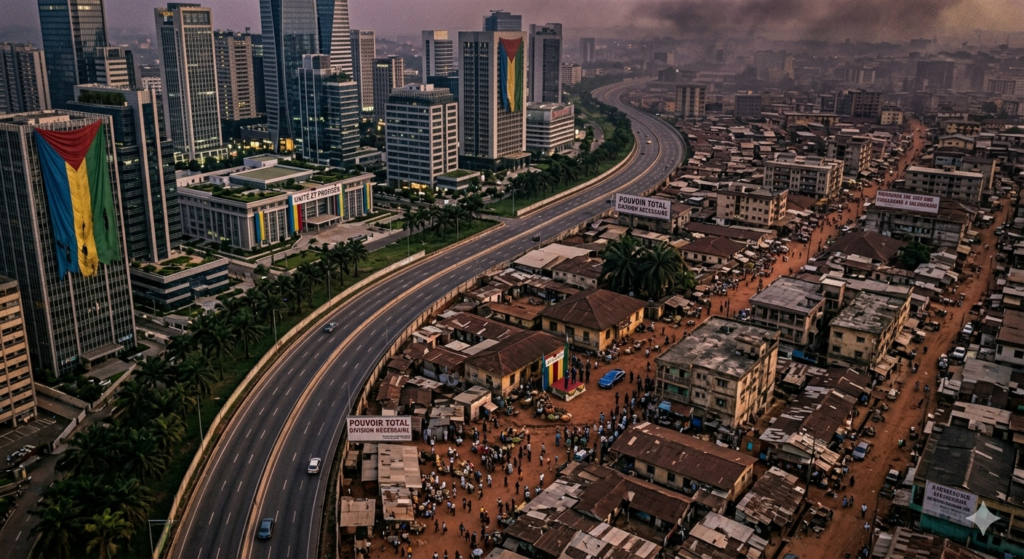
The City Feels Spiritually Divided
One of the novel’s most powerful elements is its portrayal of urban space.
The city in Xala feels split between visible modernity and invisible abandonment:
luxury offices beside poverty,
European architecture beside economic desperation,
political ceremony beside social decay.
This division creates emotional instability throughout the novel. Independence promised collective transformation, yet inequality remains everywhere.
Sembène repeatedly emphasizes this contradiction.
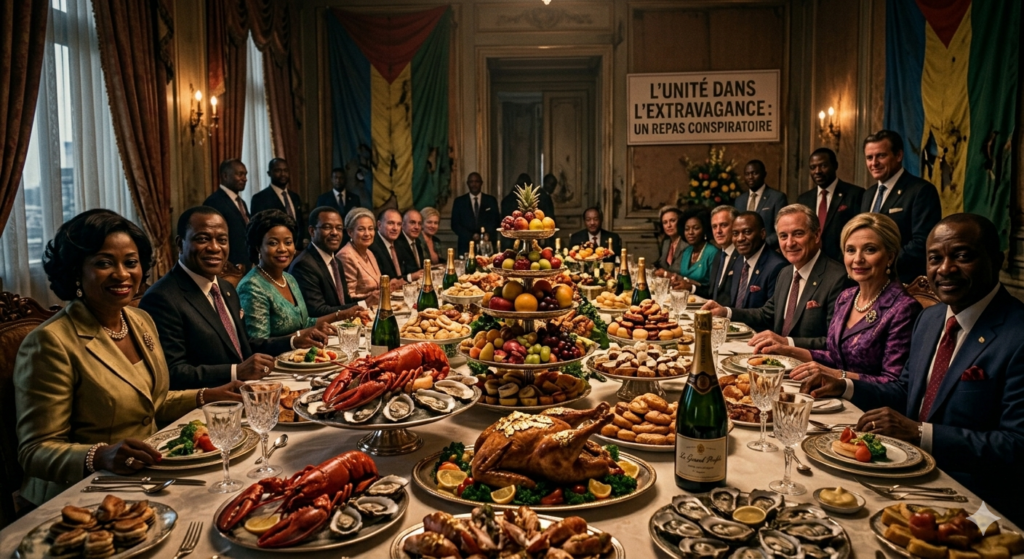
The elite consume imported luxury while ordinary people struggle for survival.
Public rhetoric celebrates national progress while structural inequality deepens underneath.
The city itself becomes evidence of failed liberation.
Satire Makes the Horror Easier to Swallow
Part of what makes Xala so effective is that Sembène uses humor to smuggle in devastating political critique.
Readers laugh at El Hadji’s humiliation.
His desperation becomes absurd.
The elite appear ridiculous.
But the comedy gradually turns uncomfortable because the novel’s underlying diagnosis grows increasingly bleak.
The ruling class cannot govern ethically.
Institutions prioritize spectacle over justice.
Colonial logic survives inside postcolonial systems.
Economic inequality becomes normalized.
Satire allows Sembène to expose these realities without turning the novel into direct political sermonizing.
The laughter becomes part of the trap.
Why Xala Still Feels Modern
Many postcolonial novels remain historically important but emotionally distant for contemporary readers.
Xala still feels alive because its political insights remain recognizable globally:
- elites disconnected from ordinary people
- performative nationalism
- corruption hidden beneath development rhetoric
- imported luxury masking structural inequality
- political systems functioning symbolically rather than substantively
Sembène understood that independence alone does not automatically dismantle systems of domination.
Power adapts.
Hierarchies survive.
New elites emerge.
That realism gives the novel enduring force.
The Ending Reveals the Real Political Judgment
By the novel’s conclusion, El Hadji’s humiliation becomes collective exposure.
His authority collapses publicly.
The performance fails.
The illusion breaks.
Importantly, Sembène does not portray this merely as personal downfall. The ending functions almost like symbolic reckoning for an entire postcolonial elite class disconnected from the people it claims to represent.
The final scenes feel less like satire and more like political condemnation.
The dystopia of Xala is not future tyranny.
It is a society where liberation has been emptied of transformative meaning and reduced to spectacle benefiting only a small ruling class.
Final Thoughts
Xala deserves to be read not only as satire, but as one of the sharpest postcolonial dystopias ever written.
Ousmane Sembène understood that oppression does not disappear simply because political independence arrives. Systems can survive through imitation, performance, corruption, and elite self-interest long after colonial rule officially ends.
That is what makes the novel so unsettling.
Its world is not destroyed.
It is functioning.
And that functioning itself becomes the problem.