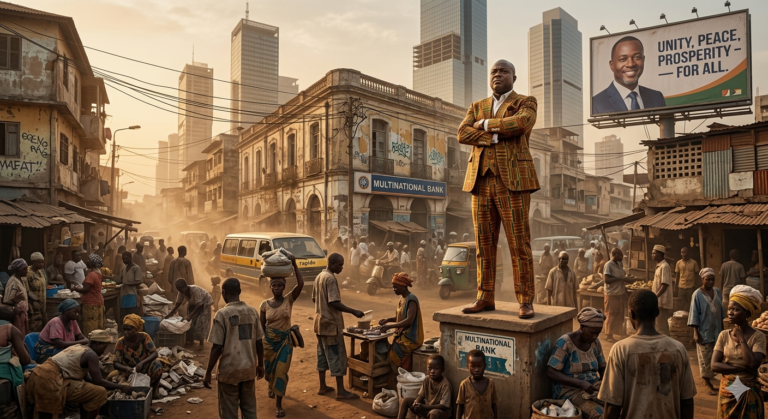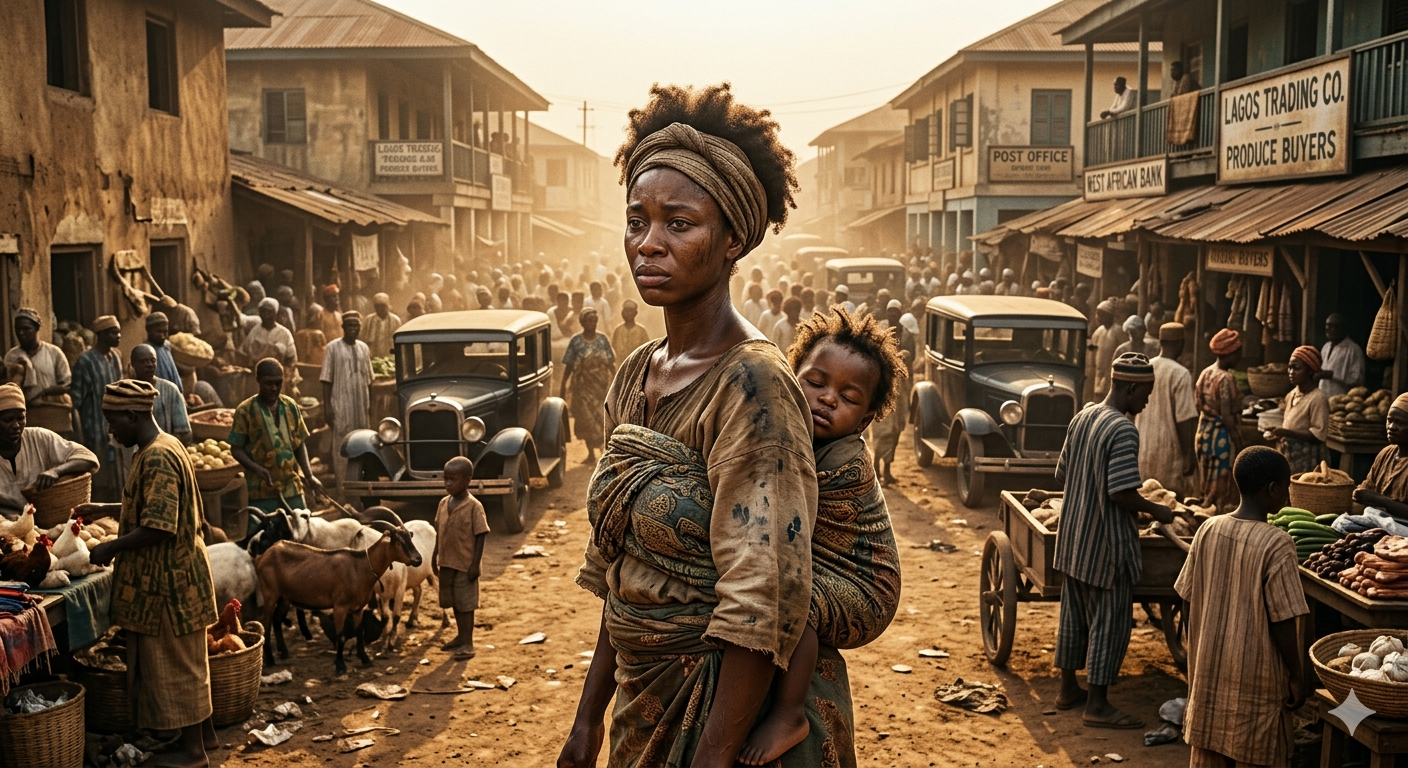
Buchi Emecheta’s The Joys of Motherhood Is a Dystopia. We Have Never Read It as One.
Buchi Emecheta’s The Joys of Motherhood is rarely described as dystopian fiction.
It is usually categorized as literary realism.
Postcolonial fiction.
Feminist literature.
African social commentary.
All of those labels fit.
But none fully captures the emotional architecture of the novel.
Because The Joys of Motherhood functions with the same terrifying logic as great dystopian literature. It presents a society where human value is systematically organized around sacrifice, reproductive labor, social control, and inherited suffering until oppression becomes normalized as culture itself.
The novel contains no futuristic government.
No surveillance technology.
No authoritarian state dressed in science fiction imagery.
Yet its world traps women inside systems so totalizing that freedom becomes nearly unimaginable.
That is dystopia.
Just without the visual language readers usually expect.
The Novel’s Most Brutal Trick Is Its Title
Few literary titles are more quietly devastating than The Joys of Motherhood.
The title promises fulfillment.
Meaning.
Honor.
Purpose.
The novel delivers exhaustion.
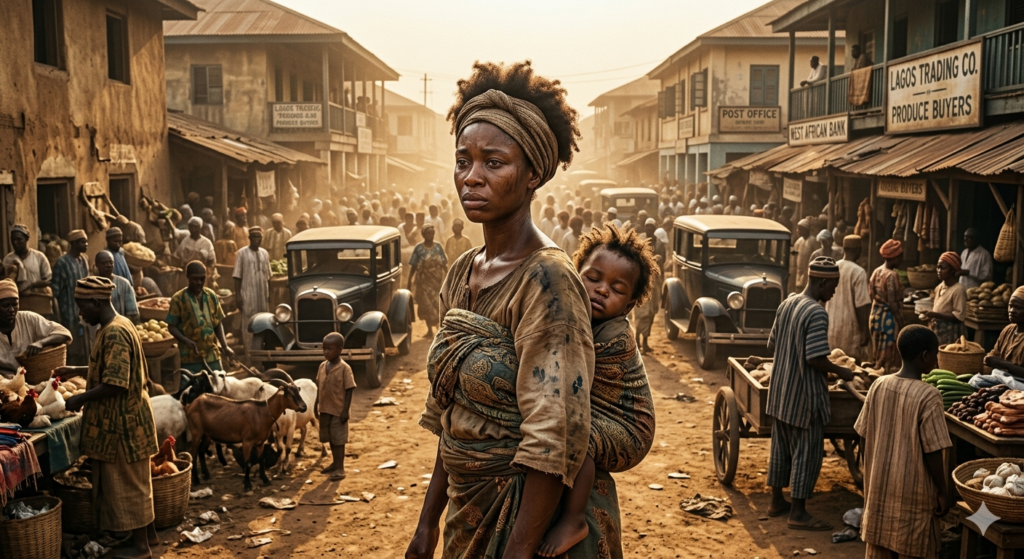
Nnu Ego spends her life sacrificing herself for children, marriage, duty, and survival. Again and again, motherhood is presented socially as the highest possible achievement for a woman. Her worth becomes tied almost entirely to reproductive success.
But the reality of her existence is relentless labor:
- poverty
- emotional isolation
- physical exhaustion
- financial strain
- lack of autonomy
- social invisibility
The “joys” remain mostly ideological.
This is where the novel begins functioning like dystopian fiction. The society maintains itself by convincing women that suffering is sacred. Sacrifice becomes moral obligation. Exhaustion becomes virtue.
The system survives because its victims internalize its logic.
Nnu Ego Lives Inside a Closed System
Great dystopias trap characters inside social structures that appear natural and unavoidable.
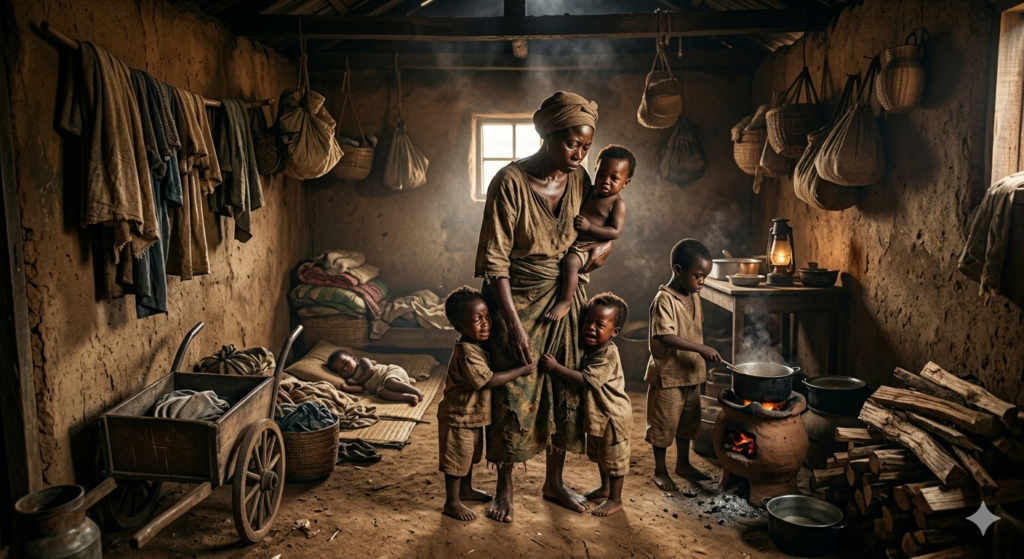
That is exactly what happens to Nnu Ego.
She cannot simply reject motherhood because motherhood defines womanhood within her social world. She cannot easily pursue independence because economic and cultural systems deny women meaningful autonomy. Even moments of resistance become absorbed back into survival.
This creates the suffocating feeling that defines dystopian fiction:
the sense that every available choice has already been shaped by the system itself.
Importantly, Emecheta does not portray oppression as simple cruelty from individual men alone. The novel’s world is upheld collectively through:
- family expectation
- tradition
- colonial economics
- gender hierarchy
- social shame
- poverty
Everyone participates.
Everyone reinforces the structure.
Even those harmed by it.
That complexity makes the novel emotionally devastating.
Colonialism Intensifies the Dystopia
One reason The Joys of Motherhood feels more psychologically brutal than many traditional dystopian novels is because its oppressive systems overlap.
Patriarchy alone does not define Nnu Ego’s suffering.
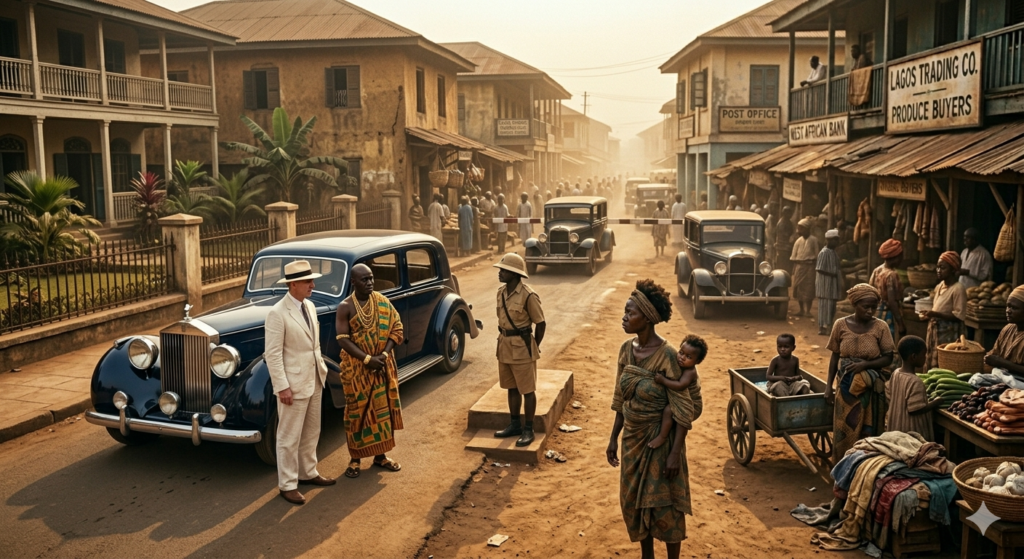
Colonialism reshapes economic life simultaneously.
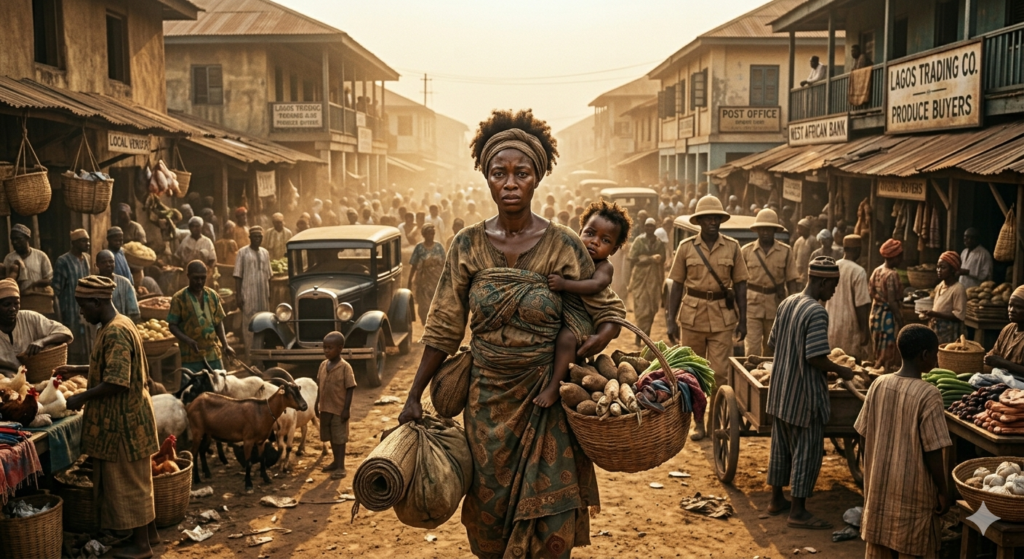
The move from village life to Lagos transforms family structures and survival itself. Traditional expectations surrounding motherhood remain intact, but the economic systems supporting those expectations collapse under colonial modernity.
Nnu Ego is still expected to produce and care for children heroically.
But urban colonial life makes that labor increasingly impossible.
This contradiction creates one of the novel’s central tragedies.
Women continue carrying cultural responsibilities designed for older communal systems while surviving inside exploitative colonial economies that offer little support in return.
The result feels dystopian because the system demands impossible emotional labor while refusing meaningful reciprocity.
Motherhood Becomes Labor Extraction
Many dystopian societies control reproduction because reproduction sustains the system.
The Handmaid’s Tale makes this literal through state control over fertility. The Joys of Motherhood reaches a similarly disturbing insight through realism rather than speculative fiction.
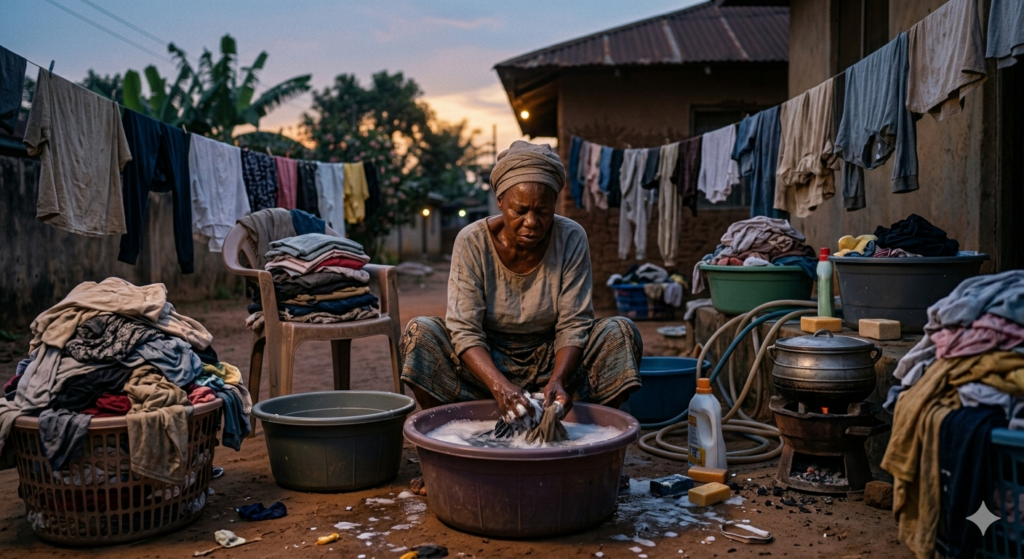
Motherhood in the novel becomes a form of labor extraction.
Nnu Ego’s body,
time,
energy,
identity,
and future are consumed by endless caregiving work that society praises symbolically while materially neglecting.
This contradiction remains painfully recognizable.
The novel repeatedly shows how motherhood is glorified rhetorically while mothers themselves remain economically vulnerable and emotionally abandoned.
Emecheta understands something crucial:
systems often survive by romanticizing the labor they refuse to properly value.
That insight gives the novel enormous political force.
The Future Never Arrives for Nnu Ego
Traditional dystopian fiction often revolves around lost futures. Characters dream of escape, rebellion, or transformation.
Nnu Ego’s tragedy is quieter.
Her future keeps getting postponed indefinitely.
She sacrifices herself for her children believing meaning will eventually emerge through their success. Fulfillment always exists somewhere ahead:
after hardship,
after sacrifice,
after survival.
But the promised emotional reward never fully arrives.
This creates the haunting emotional structure of the novel. Nnu Ego spends her life investing in a future that continually recedes beyond reach.
Dystopian systems frequently operate through deferred hope.
People endure suffering because they are taught eventual meaning will justify it.
Emecheta exposes the cruelty hidden inside that promise.
The Novel Understands Invisible Suffering
One reason The Joys of Motherhood remains so powerful is because Emecheta pays attention to forms of suffering society normalizes into invisibility.
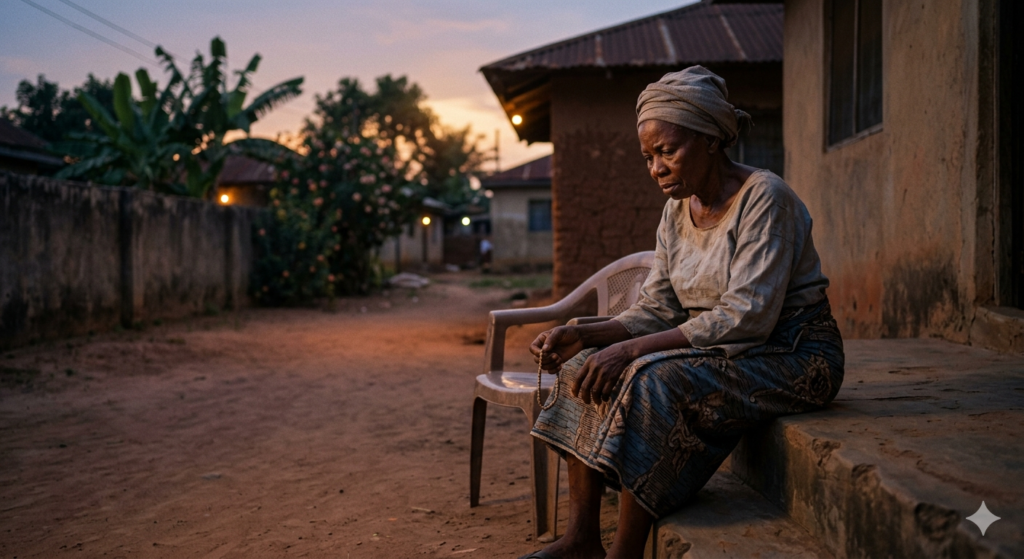
Nnu Ego’s pain rarely appears dramatic enough for public recognition.
She simply keeps working.
Caring.
Enduring.
That ordinary endurance becomes horrifying over time.
The novel understands that oppression often survives not through spectacular violence, but through daily exhaustion distributed so widely that nobody fully questions it anymore.
This is one reason the book feels startlingly modern. Contemporary conversations about emotional labor, caregiving, gender expectations, and invisible domestic work echo many of Emecheta’s insights decades later.
The dystopia was never hidden.
It was normalized.
Why We Rarely Call It Dystopian
Readers often associate dystopia with futuristic aesthetics:
authoritarian governments,
technology,
surveillance,
collapsed societies.
But dystopia is fundamentally about systems that organize human suffering into ordinary life while presenting that suffering as necessary or inevitable.
By that definition, The Joys of Motherhood absolutely qualifies.
Its horror comes from social structures so deeply embedded that characters struggle to even imagine alternatives. The novel’s realism may actually make it more disturbing than speculative dystopias because its systems are historically recognizable and emotionally familiar.
Emecheta does not invent oppression.
She observes it carefully.
Final Thoughts
The Joys of Motherhood deserves to be read not only as feminist realism or postcolonial literature, but as one of the most psychologically devastating dystopian novels of the twentieth century.
Buchi Emecheta understood that dystopia does not always arrive through futuristic authoritarianism.
Sometimes it exists wherever societies transform sacrifice into obligation, normalize exhaustion, and build entire systems upon invisible labor disguised as virtue.
Nnu Ego’s tragedy is not simply personal.
It is structural.
And that is exactly what makes the novel so haunting.