Yvonne Vera’s Without a Name and the Dystopia of the Unspeakable
Yvonne Vera’s Without a Name is not usually discussed as dystopian fiction.
It is categorized instead as literary fiction,
African literature,
postcolonial fiction,
or feminist writing.
But reading the novel closely reveals something deeply unsettling.
Without a Name constructs a world where violence becomes so normalized, grief becomes so private, and suffering becomes so linguistically fractured that language itself begins failing under the pressure of experience.
That is one of the defining features of dystopia.
Not merely political oppression,
but the collapse of meaningful speech inside systems of overwhelming trauma.
Vera’s novel contains no futuristic regime or technological nightmare. Yet its emotional landscape feels as terrifying as any dystopian world because the characters move through realities where pain cannot be fully spoken, witnessed, or socially processed.
The result is a novel haunted by silence.
The Novel Exists Inside Trauma Rather Than Explaining It
Many novels about violence organize suffering into narrative clarity.
There are causes.
Explanations.
Political frameworks.
Moral lessons.
Without a Name refuses this structure almost entirely.
Vera writes from inside trauma rather than from outside observing it. The prose feels fragmented, poetic, dreamlike, and emotionally disoriented because the novel is less interested in explaining violence than in reproducing its psychological texture.
Mazvita, the novel’s central character, moves through war, displacement, memory, and devastating personal loss carrying experiences too painful for direct articulation.
This creates an atmosphere where language constantly strains against silence.
Readers often feel emotionally unsteady while reading the novel because Vera deliberately disrupts ordinary narrative comfort. Sentences drift between memory and present reality. Emotional states blur into physical landscapes. Meaning appears partially obscured.
The novel does not simply describe trauma.
It formally embodies it.
The Unspeakable Becomes Social Structure
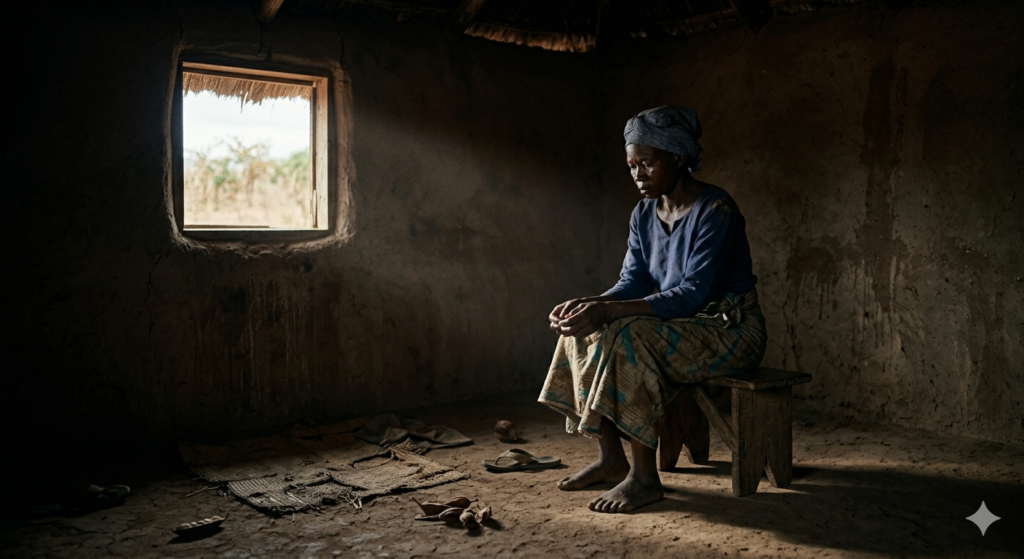
The most dystopian aspect of Without a Name is that silence itself becomes structural.
Mazvita cannot fully articulate her suffering.
Society cannot fully receive it.
Language repeatedly collapses around experiences too painful or socially impossible to express openly.
This matters because dystopian systems often survive through enforced silence:
- forbidden speech
- hidden violence
- erased memory
- emotional isolation
- normalized suffering
Vera’s novel portrays a world where women’s pain exists largely without public vocabulary.
The unspeakable becomes ordinary.
This creates one of the book’s most devastating emotional effects. Mazvita is not simply isolated individually. She inhabits a society where certain forms of suffering remain structurally invisible.
The horror lies not only in violence itself, but in the absence of collective language capable of holding that violence honestly.
War Exists Everywhere Even When It Is Off the Page
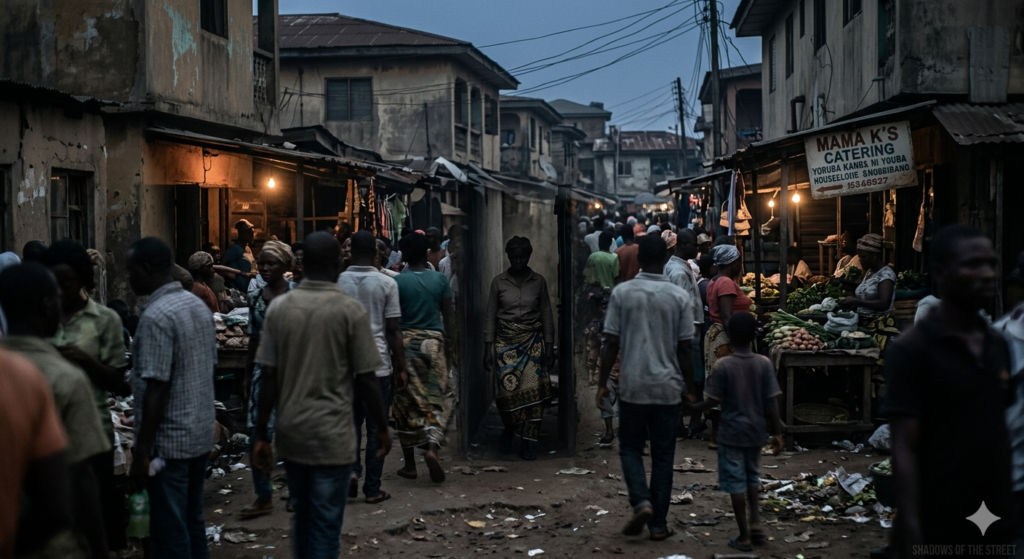
Although Zimbabwe’s liberation struggle forms part of the novel’s background, Vera rarely depicts war through traditional dramatic imagery.
There are few grand battle scenes.
Few heroic speeches.
Few simplified political binaries.
Instead, war appears psychologically:
through displacement,
fear,
memory,
sexual violence,
emotional fragmentation,
and altered human relationships.
This approach makes the novel feel eerily intimate. Violence seeps into ordinary life until it becomes inseparable from daily existence.
The dystopia of Without a Name is not spectacular destruction.
It is the way violence reorganizes consciousness permanently.
Mazvita carries war inside herself long after physical events pass. Trauma becomes environmental rather than episodic.
That lingering psychological devastation gives the novel its haunting power.
Vera Writes Against Simplified National Narratives
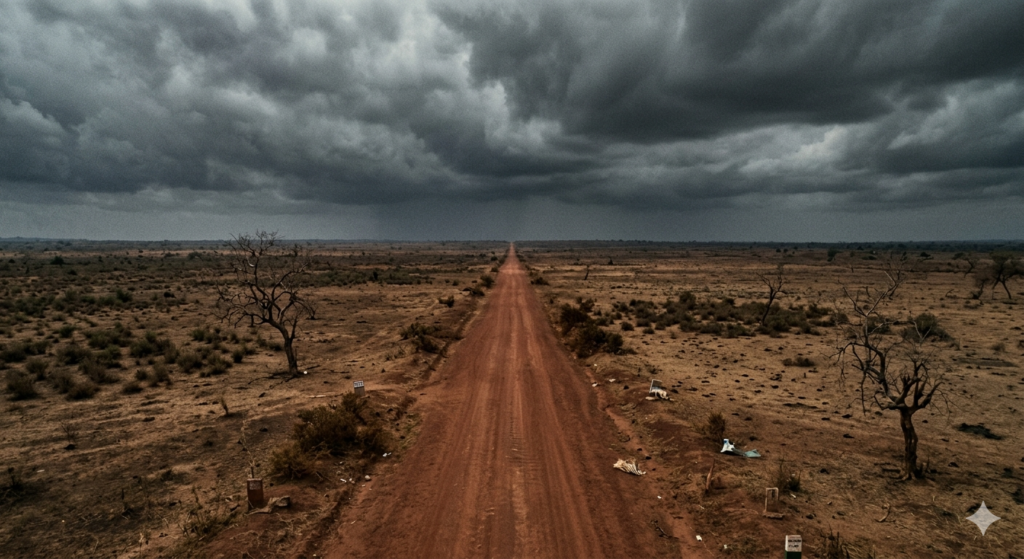
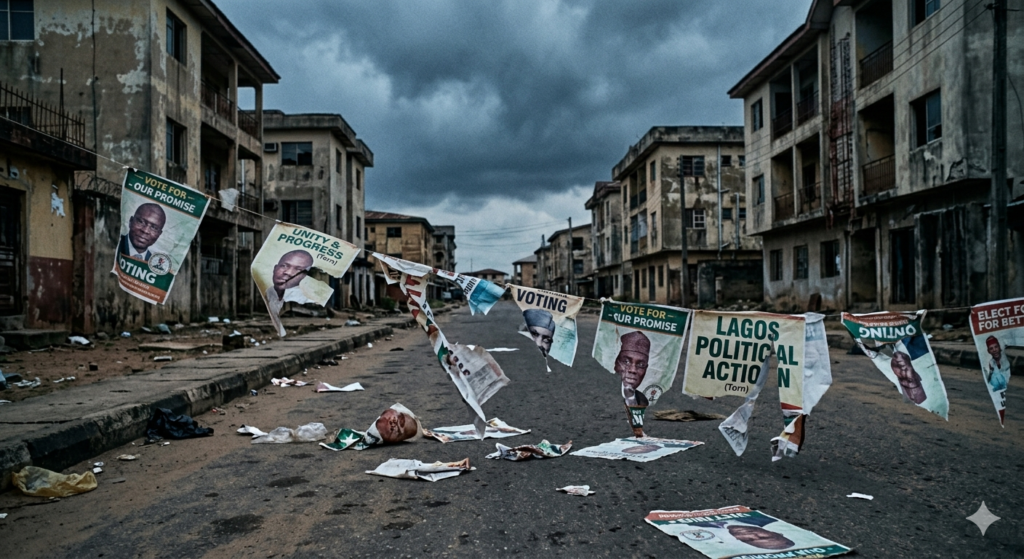
Many postcolonial narratives frame liberation struggles through collective triumph or national identity.
Vera complicates this deeply.
Without a Name focuses not on victorious political mythology, but on intimate emotional wreckage often excluded from nationalist storytelling. Women’s experiences especially resist clean incorporation into heroic historical narratives.
This is politically important.
The novel suggests that official histories frequently suppress forms of suffering that cannot be transformed into collective pride or ideological clarity.
Mazvita’s pain does not fit comfortably inside celebratory narratives of liberation.
As a result, her suffering becomes isolated.
That isolation is profoundly dystopian because it reveals how societies sometimes preserve political myths by rendering certain experiences unspeakable.
The Prose Refuses Emotional Distance
One reason Without a Name feels so overwhelming is Vera’s prose style.
The language is intensely lyrical,
fragmented,
sensory,
and repetitive. Images recur obsessively:
blood,
dust,
silence,
heat,
movement,
breathing,
earth.
The effect is hypnotic and emotionally claustrophobic.
Readers are denied the comfortable analytical distance often provided by conventional realism. Instead, the prose pulls them directly into Mazvita’s fractured consciousness.
This stylistic choice matters enormously.
The novel insists that trauma cannot always be represented cleanly or rationally. Ordinary language breaks under certain forms of suffering.
Vera writes precisely from that breaking point.
Motherhood Becomes Another Site of Horror
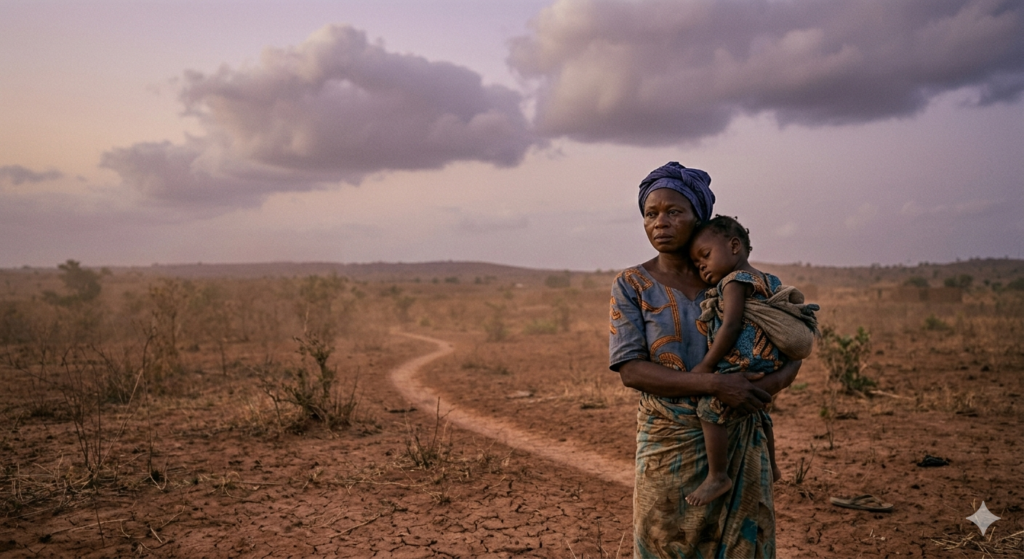
Like several major African feminist novels, Without a Name interrogates motherhood not sentimentally, but politically and psychologically.
Motherhood in the novel becomes entangled with:
- violence
- fear
- social expectation
- bodily autonomy
- survival
- unbearable emotional contradiction
Vera refuses idealized maternal narratives entirely.
Instead, she portrays motherhood as something capable of carrying profound trauma inside systems offering women little emotional refuge or social protection.
This is one reason the novel feels emotionally dangerous. It approaches subjects many societies prefer leaving unspoken:
female rage,
ambivalence,
psychological collapse,
and the unbearable pressures placed upon women’s bodies and identities.
The novel’s silence becomes heavy precisely because it surrounds experiences culturally difficult to acknowledge openly.
Why the Novel Feels Dystopian Without Looking Like One
Readers often associate dystopia with visible authoritarian systems:
surveillance,
technology,
militarized states,
collapsed futures.
But Without a Name reveals another kind of dystopia entirely.
A world where:
- trauma destroys language
- suffering becomes invisible
- women’s pain remains unspeakable
- violence reorganizes emotional life
- silence functions as social containment
The novel’s realism may actually intensify its horror because nothing feels exaggerated. Vera does not invent impossible oppression.
She reveals forms of psychological devastation already embedded within history and ordinary social life.
The Title Matters More Than It First Appears
The phrase “without a name” resonates throughout the novel because naming itself becomes unstable.
To name something is to acknowledge it socially.
To speak pain is to potentially make it visible.
To articulate trauma is to resist erasure.
But Vera repeatedly shows experiences resisting language altogether.
Mazvita’s suffering exists partially beyond speech.
Beyond narrative coherence.
Beyond public recognition.
The title therefore becomes more than metaphor.
It describes a world where entire forms of human pain exist without stable social language capable of containing them.
That is perhaps the novel’s deepest dystopian insight.
Final Thoughts
Without a Name deserves to be read as one of the most psychologically devastating dystopian novels of the late twentieth century, even though it uses none of the genre’s familiar futuristic aesthetics.
Yvonne Vera understood that dystopia does not always emerge through visible authoritarian spectacle.
Sometimes it appears wherever violence becomes unspeakable, grief becomes isolating, and language itself begins collapsing beneath the weight of historical trauma.
The horror of the novel lies not only in what happens to Mazvita.
It lies in how difficult the world finds it to fully hear her at all.