What The Fifth Season Knows About Power That Most Fantasy Doesn’t
Most fantasy novels treat power as possession.
A king possesses power.
A wizard possesses power.
A chosen hero discovers hidden power within themselves.
Conflict usually revolves around who controls kingdoms, armies, magic, or prophecy. Even when fantasy becomes politically sophisticated, power often remains external and visible. Thrones matter. Battles matter. Dynasties matter.
N.K. Jemisin’s The Fifth Season understands something darker and far more realistic.
Power is not only about domination.
It is about defining whose suffering becomes normal.
That insight separates The Fifth Season from most modern fantasy. Jemisin does not merely build a world with oppression inside it. She builds a world where oppression has become infrastructure. The violence is not exceptional. It is systemic, ritualized, educational, emotional, and geological all at once.
That is why the novel feels so unsettlingly modern despite its fantasy setting.
The World of The Fifth Season Is Built Around Managed Fear
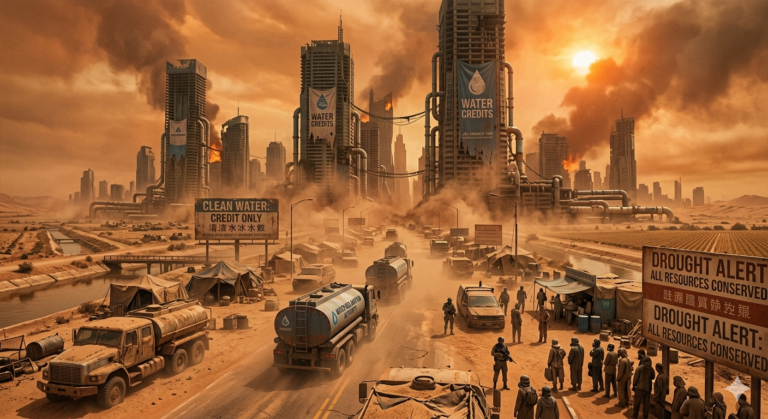
The Stillness, the continent where the novel takes place, survives through constant preparation for catastrophe. Civilization expects disaster. Entire cultures organize themselves around surviving recurring apocalyptic events known as Seasons.
At first this sounds like environmental worldbuilding.
But Jemisin gradually reveals something deeper. The society’s obsession with survival becomes justification for hierarchy, control, and cruelty. Stability is maintained by deciding which groups must be feared, controlled, or sacrificed.
This is where the orogenes enter the story.
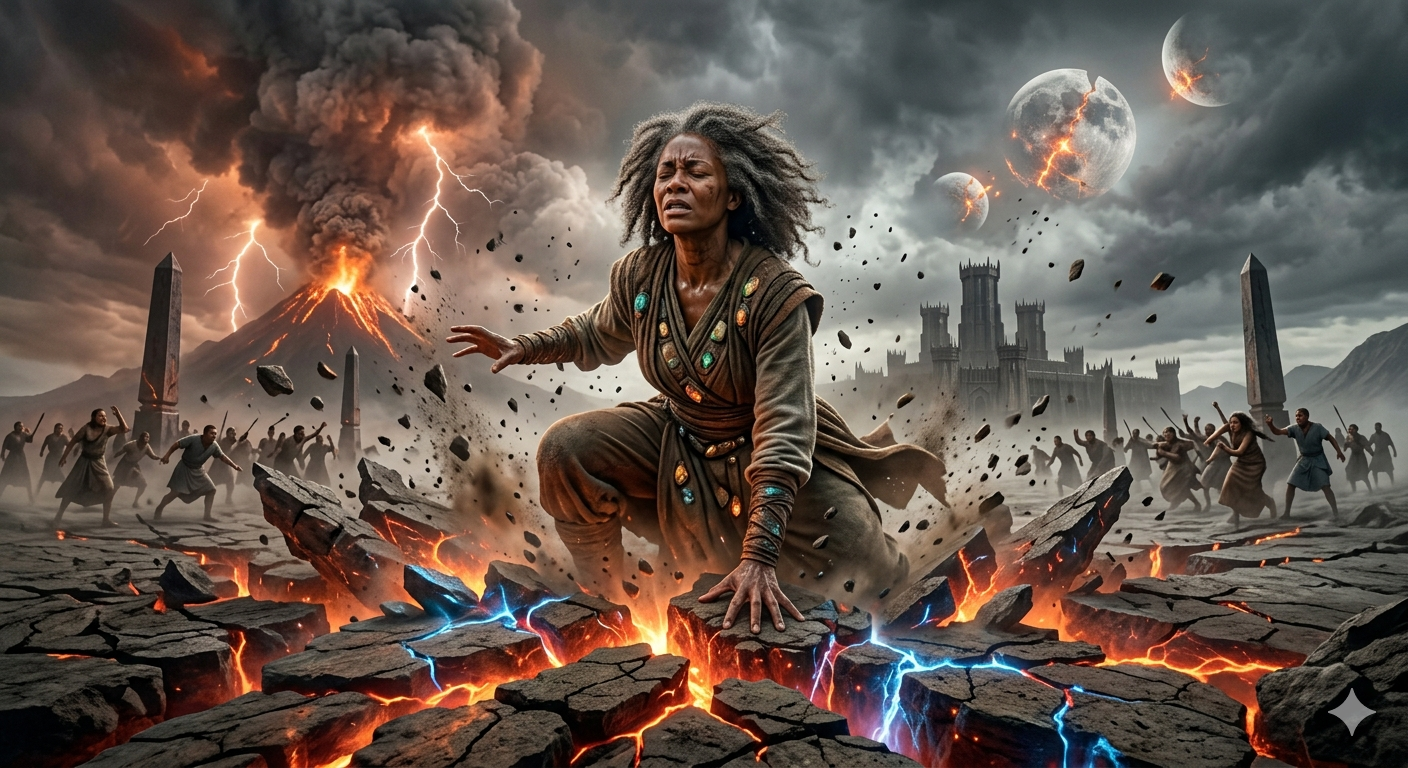
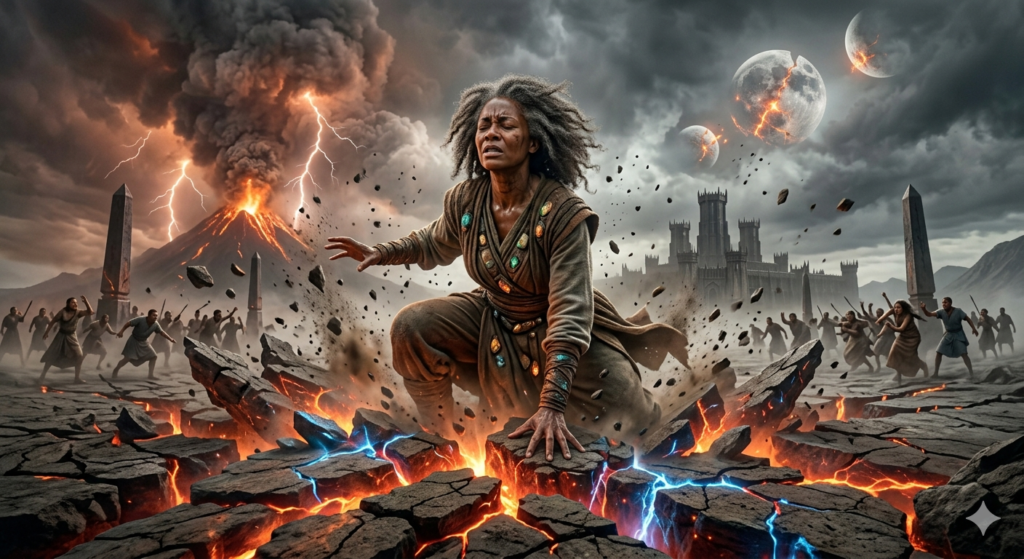
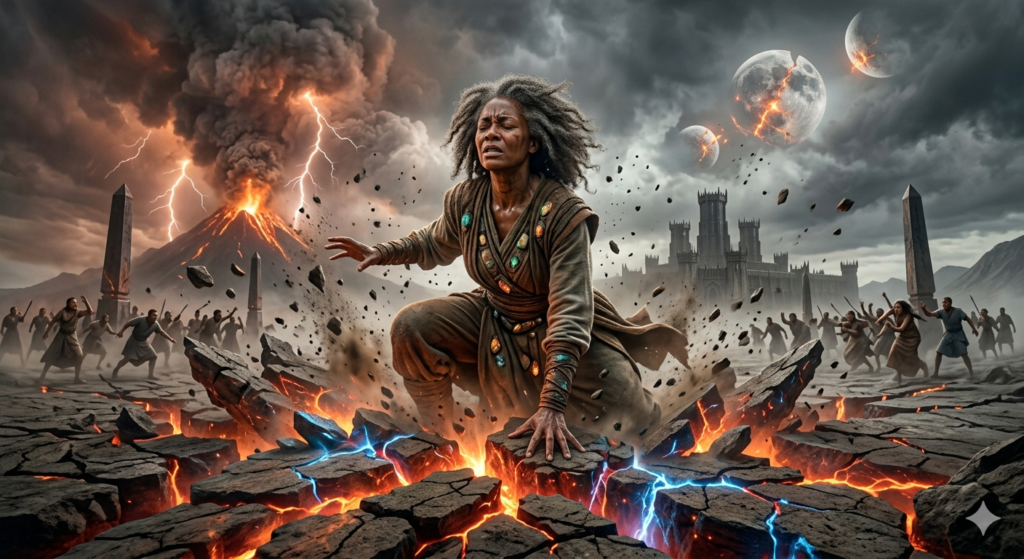
Orogenes possess the ability to manipulate seismic energy. They can stop earthquakes, reshape landscapes, and unleash catastrophic destruction. Society depends on their abilities for survival while simultaneously treating them as dangerous nonhuman threats.
That contradiction lies at the center of the novel’s understanding of power.
The system needs the oppressed group.
The system fears the oppressed group.
The system therefore justifies controlling the oppressed group permanently.
Jemisin understands that real power structures often operate through this exact emotional logic.

The Novel Understands That Institutions Shape Morality
Many fantasy stories focus on obviously evil rulers or corrupt individuals. The Fifth Season is more interested in institutional violence.
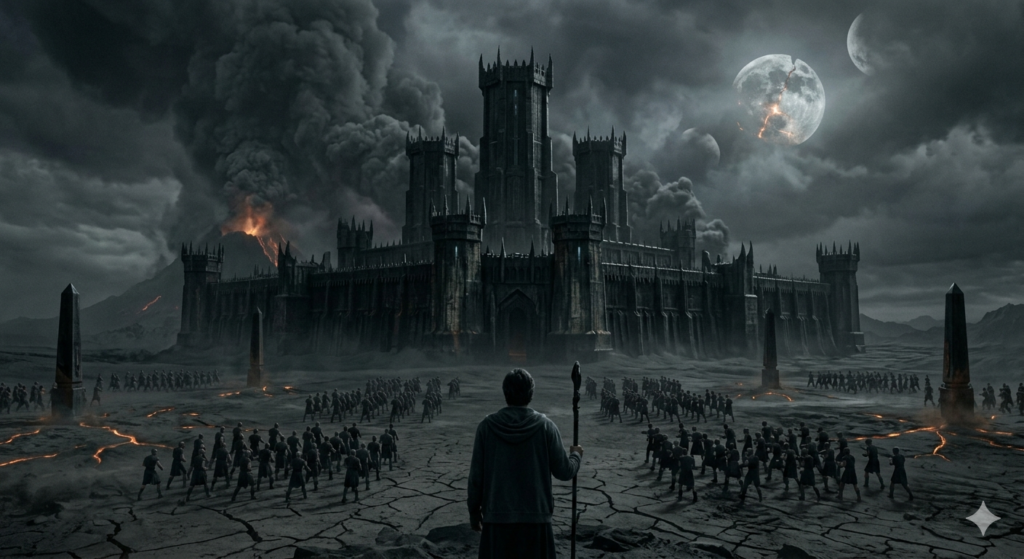
The Fulcrum, where orogenes are trained and controlled, does not view itself as monstrous. Its practices are framed as necessary for civilization’s survival. Guardians believe they are protecting order. Ordinary citizens accept cruelty because they inherit social systems that normalize it.
This complexity makes the novel emotionally powerful.
Nobody wakes up believing they are participating in evil. Instead, violence becomes embedded inside education, law, language, and social expectation.
Fantasy often imagines oppression as dramatic tyranny.
Jemisin understands oppression as administration.
That distinction changes everything.
The horror of the novel comes not from isolated acts of brutality, but from the realization that entire systems have been constructed to make brutality feel reasonable.
Orogeny Is Both Power and Vulnerability
Fantasy frequently treats magical ability as empowerment. Jemisin complicates this idea immediately.
Orogeny grants extraordinary abilities, but those abilities become the reason orogenes are controlled, feared, exploited, and dehumanized. Power creates vulnerability instead of freedom.
This is one of the novel’s most important political insights.
Marginalized groups are often portrayed socially as both dangerous and inferior at the same time. The contradiction does not weaken systems of oppression. It strengthens them.
The dominant society in The Fifth Season constantly emphasizes the threat orogenes pose while also denying their humanity. Fear becomes justification for domination.
Jemisin refuses simplistic empowerment fantasy. Extraordinary ability does not magically overcome systemic violence.
Instead, systems reorganize themselves around controlling that ability.
The Apocalypse Never Really Ends
Most fantasy worlds experience crisis as interruption. A war begins. Darkness rises. Heroes respond.
In The Fifth Season, catastrophe is cyclical.
The world is already shaped by endless collapse. Entire cultures evolve around surviving recurring disasters. People inherit trauma structurally across generations.
This changes the emotional atmosphere of the novel completely.
Characters are not fighting to preserve a stable world.
They are surviving inside permanent instability.
That detail makes the book feel deeply contemporary. Jemisin understands a psychological reality many modern readers recognize: living inside systems that already feel partially broken while being told to continue functioning normally anyway.
The apocalypse in The Fifth Season is not future tense.
It is environmental routine.
Jemisin Understands That Oppression Becomes Cultural Memory
One reason the novel feels emotionally dense is because Jemisin pays close attention to inherited memory.
The violence against orogenes is not simply physical. It shapes identity, family structures, emotional behavior, and social imagination across generations.
Children learn fear early.
Communities normalize exclusion.
Language itself reinforces hierarchy.
Power survives because it embeds itself culturally.
This is where The Fifth Season becomes more psychologically sophisticated than much fantasy fiction. Jemisin understands that domination is rarely maintained through force alone. Systems endure because people inherit emotional assumptions about what is normal, dangerous, or acceptable.
The novel repeatedly asks:
Who gets treated as fully human?
Who gets protected?
Whose pain becomes ordinary?
Those questions give the story its political intensity
The Earth Itself Becomes Political
Perhaps the novel’s most radical idea is that the planet itself carries memory and rage.
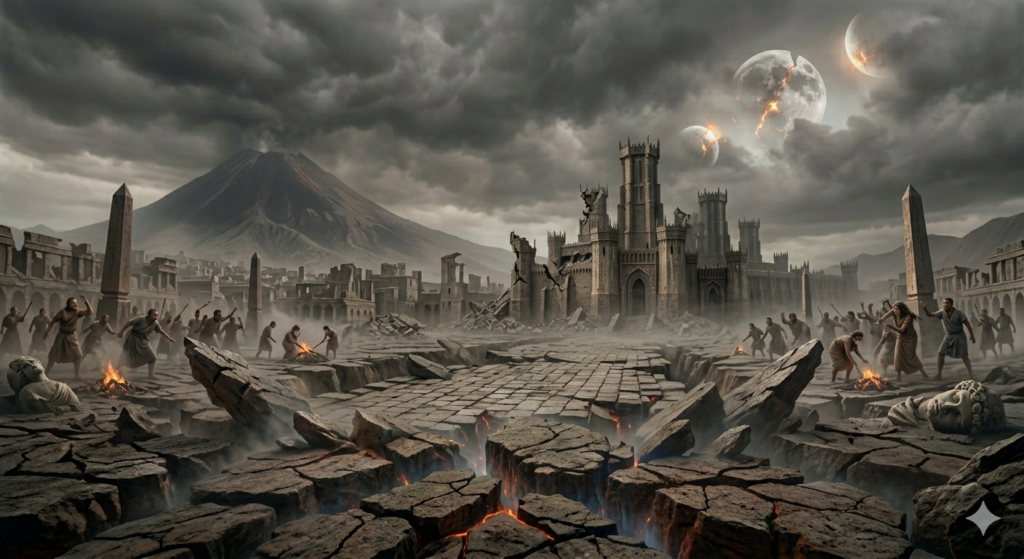
Environmental catastrophe in The Fifth Season is not neutral background scenery. Geological instability becomes connected to histories of exploitation, extraction, and violence.
The world feels wounded.
This transforms the fantasy landscape into something morally charged. Nature is not simply wilderness waiting to be conquered or survived. The earth reacts to civilization’s relationship with power.
That ecological awareness gives the novel unusual thematic depth. Jemisin links environmental destruction and social hierarchy together rather than treating them as separate issues.
The result feels far closer to real history than traditional fantasy worldbuilding often does.
Why The Fifth Season Feels Different From Traditional Fantasy
Many fantasy novels ask:
Who deserves power?
The Fifth Season asks:
What systems decide whose suffering is acceptable?
That shift changes the entire moral structure of the story.
Jemisin is less interested in heroic destiny than in inherited violence, institutional control, collective trauma, and survival inside unequal systems. Magic, politics, and apocalypse all become expressions of deeper struggles over humanity itself.
This complexity is why the novel resonated so strongly with readers. It uses fantasy not as escape from reality, but as a way of exposing power more clearly.
Final Thoughts
The Fifth Season understands that power is rarely only about kings, armies, or magical strength. More often, power determines whose lives become expendable and whose pain society learns to ignore.
N.K. Jemisin builds a fantasy world where oppression is woven into infrastructure, education, environmental survival, and collective memory itself.
That is what makes the novel feel so emotionally and politically sharp.
Its greatest insight is not simply that systems can become cruel.
It is that systems survive longest when cruelty begins feeling ordinary.