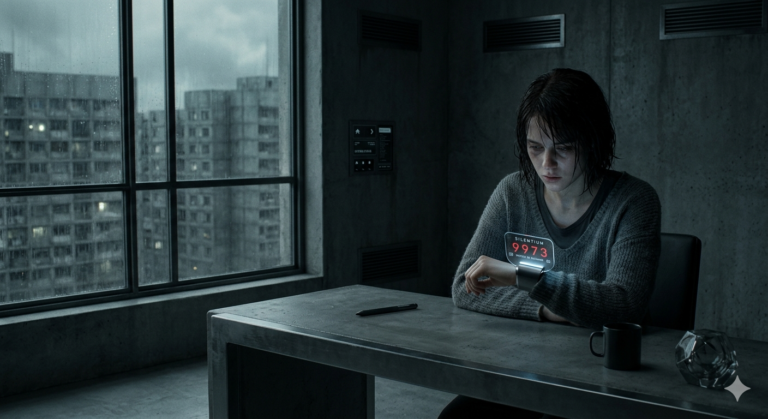
Station Eleven Is a Dystopia About What Survives, Not What Falls
Most dystopian stories are obsessed with collapse. They linger on the moment everything breaks, the systems that fail, the speed at which order turns into chaos. But Station Eleven moves differently. It is not uninterested in the fall of civilization, but it refuses to stay there.
Instead, it asks a quieter, more unsettling question. After everything is gone, what remains worth carrying?
The Collapse Happens Quickly
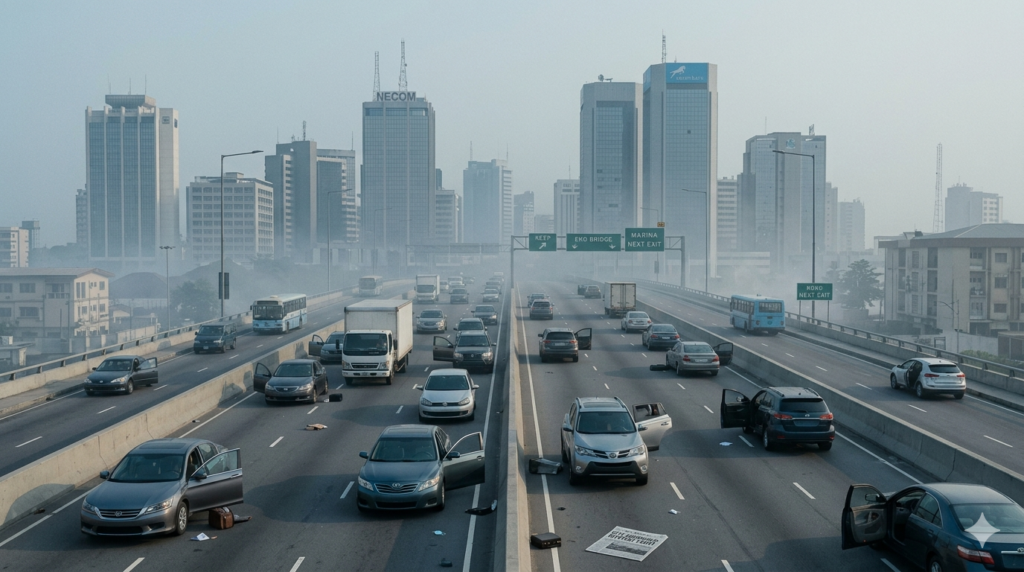
In many dystopias, the breakdown is gradual, something you watch unfold step by step. In Station Eleven, the collapse arrives with brutal speed.
The Georgia Flu spreads across the world and dismantles modern life in a matter of weeks. Planes stop. Cities empty. Infrastructure disappears almost overnight.
What is striking is how little time the narrative spends here. The apocalypse is not the main event. It is the threshold.
By moving past the spectacle of collapse so quickly, the novel shifts the reader’s attention. The real story begins after survival is no longer the only concern.
Survival Is Not the Same as Living
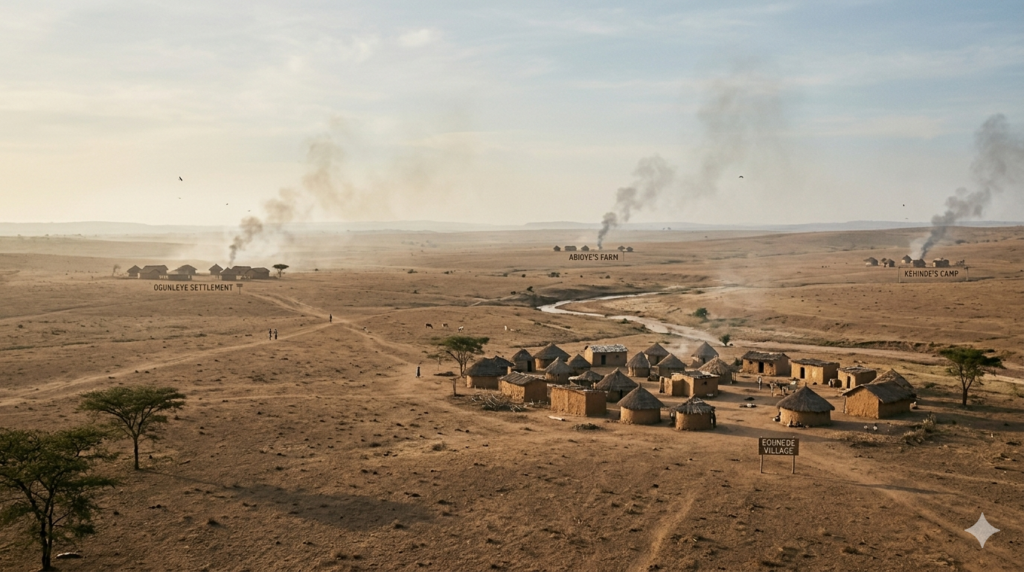
Two decades after the pandemic, the world of Station Eleven is quieter, smaller, and fragmented. Communities exist, but they are fragile. Travel is dangerous. Knowledge has become uneven and partial.
Yet, within this diminished world, something persists.
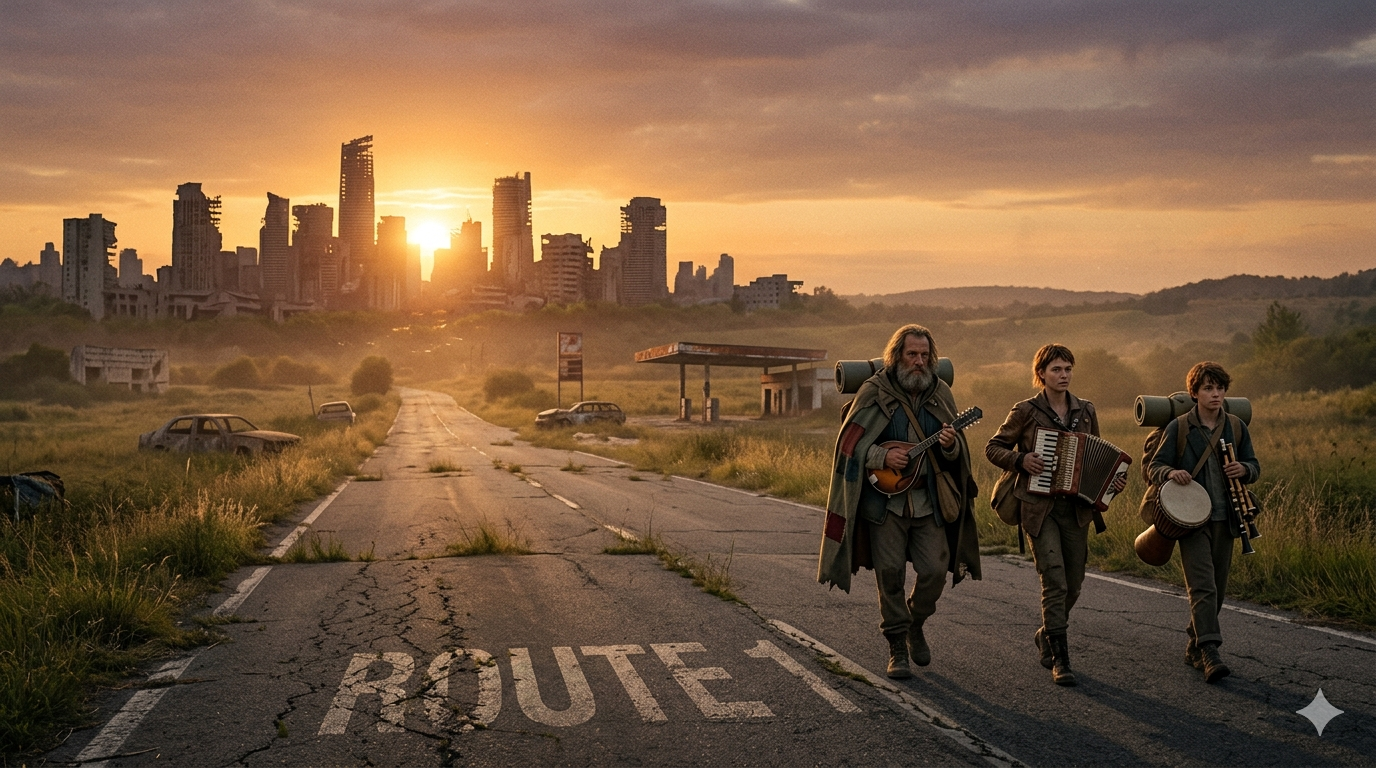
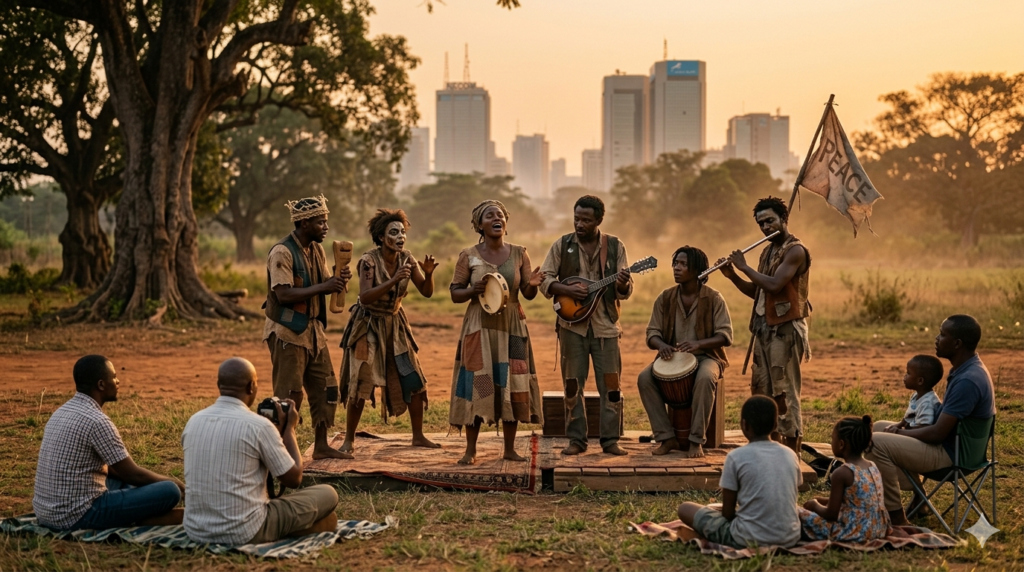
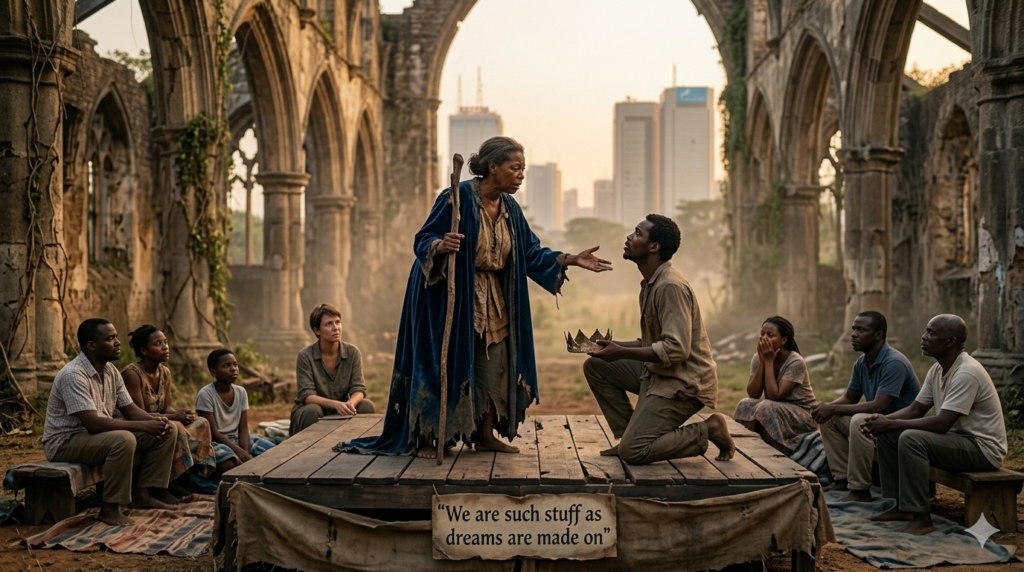
The Traveling Symphony, a group of actors and musicians, moves from settlement to settlement performing Shakespeare and classical music. Their motto, “Survival is insufficient,” becomes one of the novel’s central ideas.
This is where the book separates itself from more conventional dystopian narratives. It insists that survival, while necessary, is not enough to define a life.
Art, memory, and connection are not luxuries. They are part of what makes survival meaningful.
Memory as a Form of Continuity
The novel moves back and forth across time, connecting characters before and after the collapse. These shifts are not just structural. They reflect the way memory operates in a broken world.
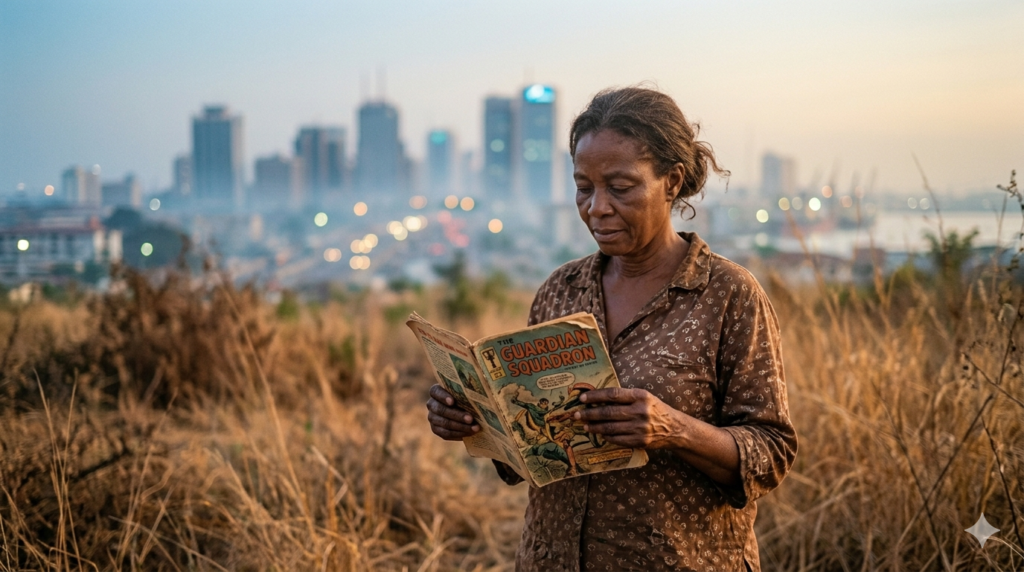
Fragments of the past linger. A comic book. A piece of music. A memory of electricity, of airplanes, of a world that once felt permanent.
These remnants do not restore what was lost. But they create a sense of continuity.
In many dystopias, the past is either erased or tightly controlled. In Station Eleven, it is scattered and incomplete, but still present. Characters hold onto pieces of it, not always understanding their full context, but recognizing their importance.
Memory becomes a way of resisting total disconnection.
The Persistence of Art
Art occupies a central place in the novel, and not in a decorative way.
Shakespeare’s plays are performed in makeshift spaces, often for small audiences. A comic book, also titled Station Eleven, circulates as a kind of mythic object, shaping how certain characters understand the world.
These artistic forms endure not because they are practical, but because they speak to something deeper.
In a world where most structures have collapsed, art becomes a way of organizing experience. It provides language, metaphor, and emotional clarity.
The presence of art suggests that even when systems fail, the impulse to create and to interpret does not disappear.
Violence and Meaning
This is not a gentle world. Violence still exists, and in some places, it defines the boundaries of power.
The Prophet, one of the novel’s antagonistic figures, represents a different kind of survival. One that turns belief into control and uncertainty into authority.
His presence reminds the reader that what survives is not only what is good or beautiful. Harmful structures can re-emerge, reshaped to fit new conditions.
This complicates the novel’s vision. Survival does not guarantee progress. It only guarantees continuation.

Objects as Anchors
One of the most memorable aspects of Station Eleven is its attention to objects.
A snow globe. A paperweight. A comic. Old magazines. These items carry emotional weight far beyond their practical use.
They function as anchors to a world that no longer exists. They remind characters, and readers, that the past was once ordinary.
In a post-collapse world, the ordinary becomes extraordinary in retrospect.
These objects also highlight a subtle truth. What we choose to keep says something about what we value. In the absence of abundance, selection becomes meaningful.
A Different Kind of Dystopia
Calling Station Eleven a dystopia can feel slightly misleading, because it does not fully embrace the bleakness often associated with the genre.
There is loss, certainly. There is danger, uncertainty, and grief. But there is also movement, creation, and even moments of quiet beauty.
The novel does not deny the fall of civilization. It simply refuses to let that be the final word.
Instead of asking how everything collapsed, it asks what persists after the collapse has already happened.
Final Thoughts
Emily St. John Mandel’s Station Eleven reframes what a dystopian story can do. It shifts the focus away from destruction and toward endurance.
Not just the endurance of people, but of ideas, stories, and forms of expression.
In doing so, it offers a different kind of unease. Not the fear of losing everything, but the realization that even after immense loss, something will remain.
The question is what that something will be, and whether it will be enough to build a life around.