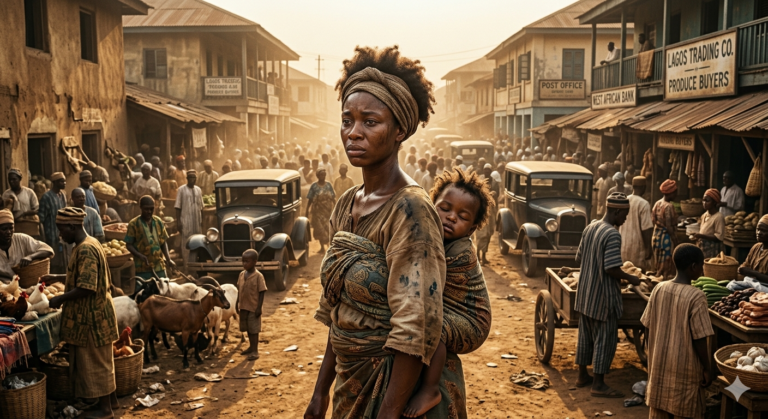
Mia Couto’s Sleepwalking Land Is What Post-War Fiction Should Look Like
Mia Couto’s Sleepwalking Land does not read like most novels about war.
There are no grand military strategies.
No heroic battle narratives.
No clean political explanations dividing history into simple sides.
Instead, the novel feels dreamlike,
fragmented,
haunted,
and emotionally unstable.
At first, this can feel disorienting.
But that disorientation is exactly why the novel matters so much.
Couto understood something many war novels still fail to grasp:
after prolonged violence, reality itself stops feeling fully coherent.
Post-war fiction should not always feel orderly because war destroys order not only physically, but psychologically, linguistically, and spiritually.
That is what Sleepwalking Land captures with astonishing precision.
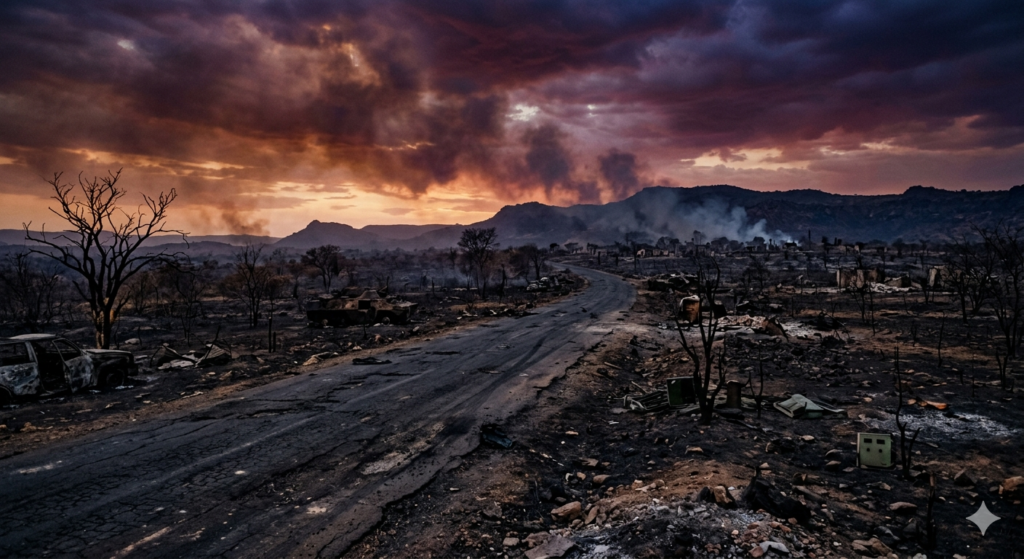
The Novel Refuses Traditional War Narrative
Many war stories organize suffering into narrative clarity.
There are causes.
Enemies.
Victories.
Defeats.
Political lessons.
Sleepwalking Land refuses almost all of this.
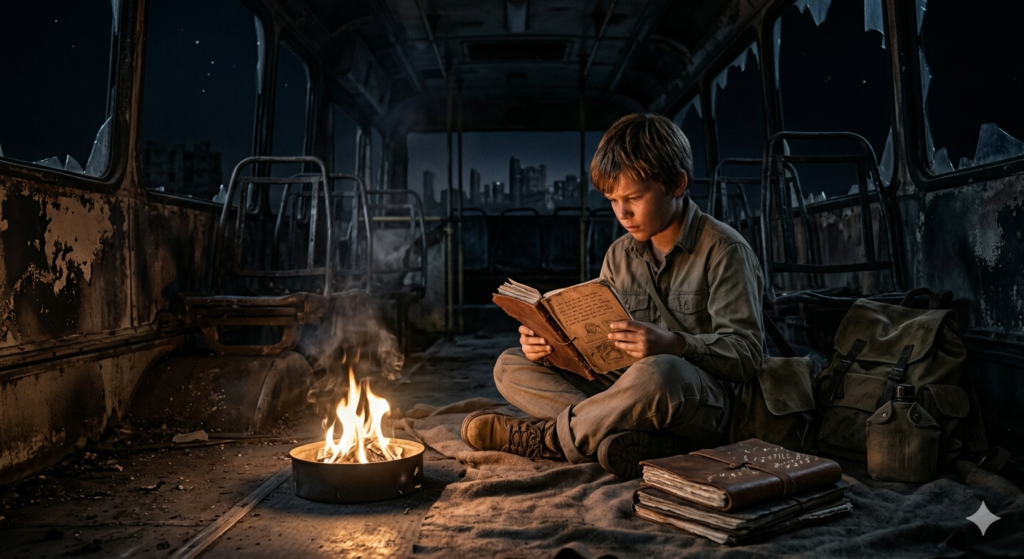
The novel follows Muidinga, a young boy traveling through a devastated landscape with the older Tuahir during Mozambique’s civil war. Along the way, they discover notebooks belonging to Kindzu, whose writings slowly unfold another layer of the story.
But the structure constantly blurs:
memory and dream,
past and present,
life and death,
history and myth.
This fragmentation is not stylistic decoration.
It reflects the emotional reality of societies shattered by prolonged violence. War does not leave behind clean narratives. It leaves confusion, displacement, fractured memory, and emotional disorientation.
Couto writes from inside that instability rather than trying to simplify it.
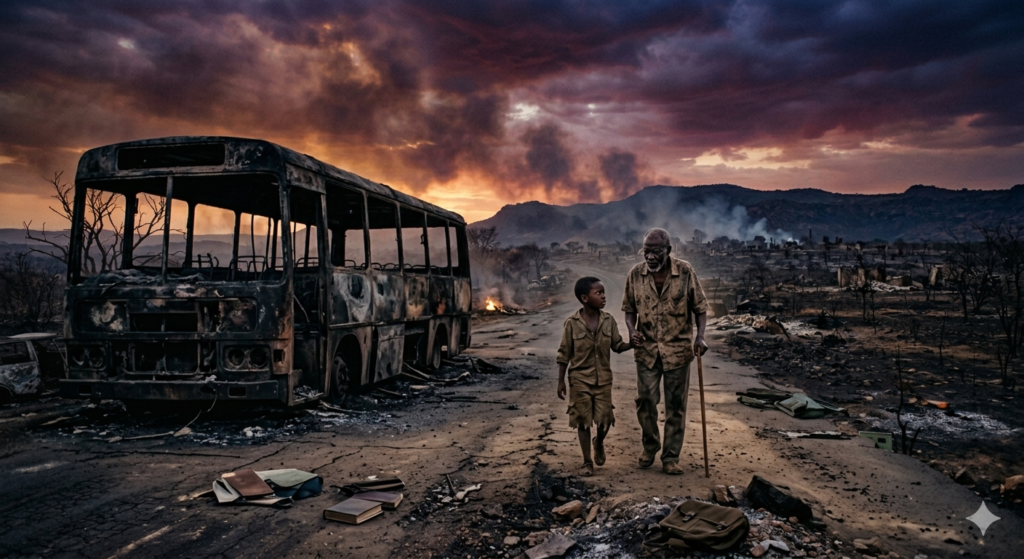
The Landscape Feels Traumatically Alive
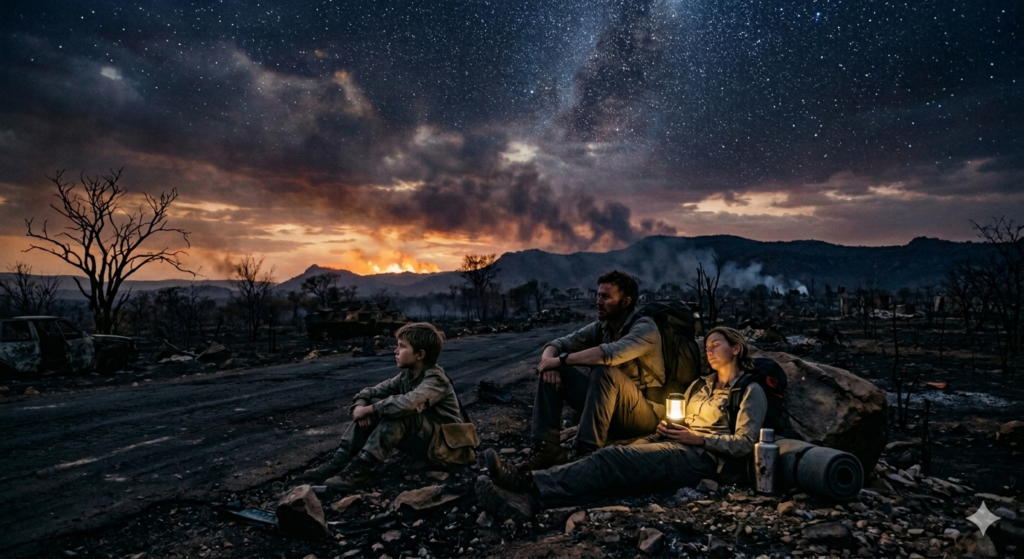
One of the most remarkable aspects of Sleepwalking Land is how the environment itself seems wounded.
Roads feel ghostly.
Villages appear abandoned and dreamlike.
The earth carries traces of violence everywhere.
Nature in the novel does not behave as neutral scenery. The land absorbs memory, fear, grief, and spiritual disturbance. Reality itself feels unstable, as though war has damaged the boundaries between the living and the dead.
This gives the novel its haunting atmosphere.
Many post-war narratives focus mainly on political reconstruction or historical explanation. Couto instead explores psychological and spiritual aftermath.
The country itself appears sleepwalking:
alive,
moving,
but unable to fully awaken from trauma.
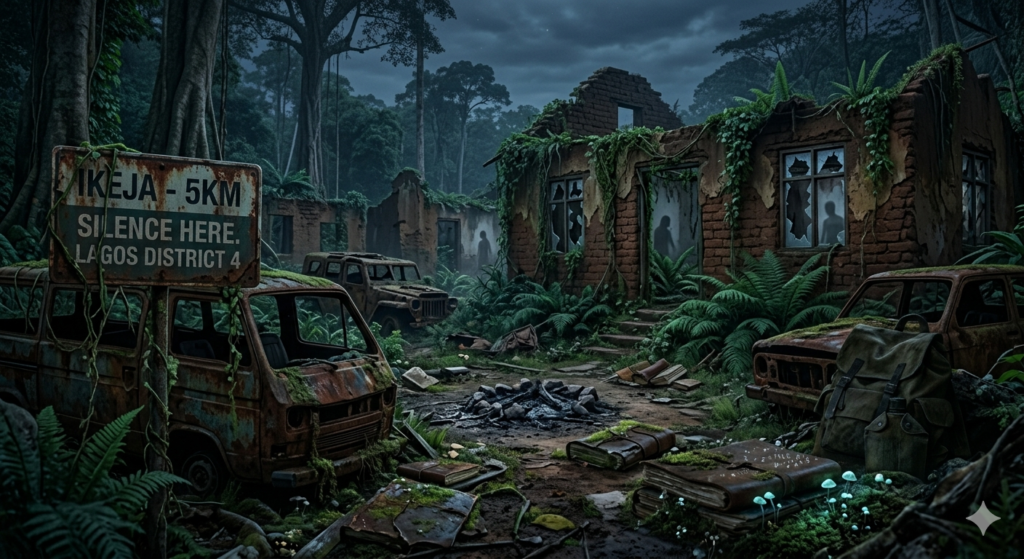
Storytelling Becomes Survival
One reason the novel feels so emotionally rich is because stories themselves become necessary forms of survival.
The notebooks Muidinga reads are not simply plot devices.
They become emotional shelter.
Inside a devastated world where social structures have collapsed, narrative offers continuity and meaning. Kindzu’s writings allow memory to survive against the erasure produced by violence.
This matters because war destroys not only bodies and infrastructure.
It destroys coherence.
People lose homes,
histories,
relationships,
and stable identities.
Storytelling therefore becomes an act of resistance against disappearance itself.
Couto suggests that narration may be one of the few ways traumatized societies remain emotionally human after catastrophe.
The Novel Understands That Trauma Distorts Time
In Sleepwalking Land, time behaves strangely.
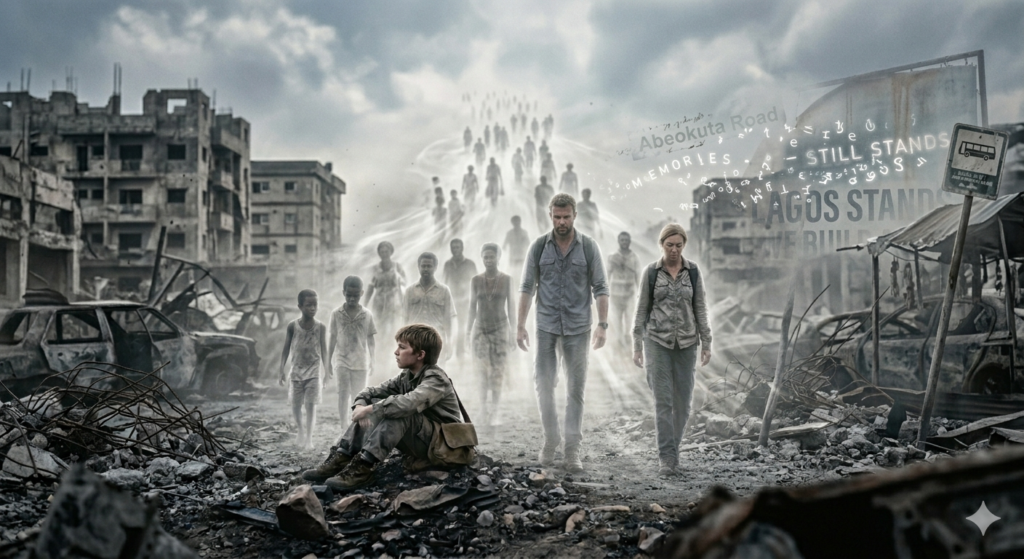
The past constantly invades the present.
Memories feel physically alive.
Dreams blend into reality.
Characters drift through emotional states rather than chronological certainty.
This structure mirrors trauma powerfully.
Psychological trauma often disrupts linear experience. Survivors do not simply “move on” cleanly from violence. The past continues intruding unpredictably into ordinary life.
Couto captures this sensation formally through the novel’s fluid structure and lyrical prose. Readers themselves begin feeling temporally unsteady while moving through the story.
That emotional instability becomes part of the novel’s truth.
Mia Couto Writes Against Simplified Political Language
One of the novel’s greatest strengths is its refusal to reduce suffering into ideology.
Many political narratives attempt to explain war through clear frameworks:
revolution,
nationalism,
tribal conflict,
historical inevitability.
Couto does not deny politics.
But he focuses instead on lived emotional devastation.
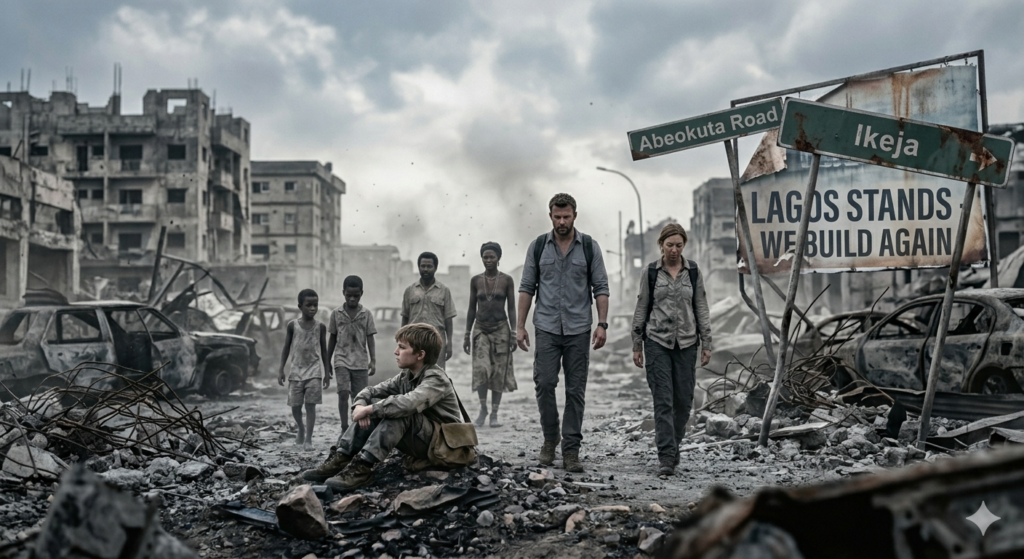
Ordinary people carry the consequences.
Children inherit destruction.
Communities dissolve.
Spiritual life fractures.
The novel repeatedly emphasizes human vulnerability over political abstraction.
This approach makes Sleepwalking Land feel far more honest than many conventional war narratives. Couto understands that ideological explanations rarely capture the full emotional reality of catastrophe.
Magic and Reality Become Impossible to Separate
Readers often describe the novel as magical realism, but that label only partially explains what Couto is doing.
The strange dreamlike atmosphere emerges because war itself destabilizes reality psychologically. Supernatural elements feel believable within the novel because the world has already become emotionally surreal through violence.
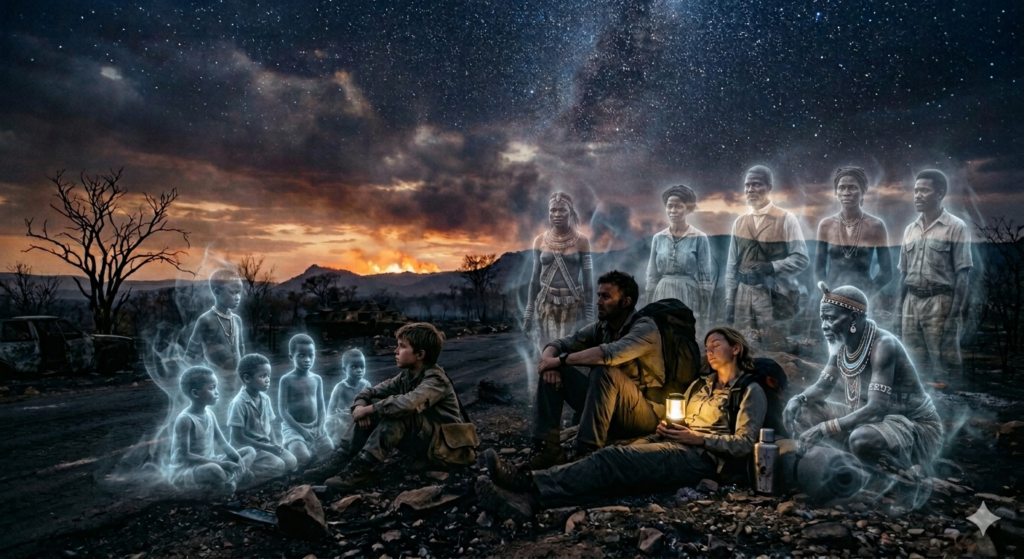
Ghosts,
visions,
prophecies,
and mythic imagery all coexist naturally beside physical devastation.
Importantly, the magical elements do not romanticize suffering.
They deepen its emotional resonance.
The spiritual strangeness of the novel reflects societies trying to process trauma too overwhelming for ordinary realism alone.
Children Experience the World Differently After Catastrophe
Muidinga’s perspective gives the novel extraordinary emotional force.
Children in post-war fiction often symbolize innocence. Couto complicates this.
Muidinga moves through devastation with curiosity, confusion, resilience, and emotional openness simultaneously. He represents not untouched innocence, but consciousness trying to rebuild meaning inside a shattered world.
This distinction matters.
The novel understands that children growing up during catastrophe inherit instability as normality. Their relationship to memory, identity, and reality becomes fundamentally altered.
Muidinga’s search for understanding therefore becomes larger than personal survival.
It becomes a search for orientation inside a broken history.
Why the Novel Feels More Honest Than Many War Stories
Many post-war narratives eventually seek closure.
Healing.
Resolution.
National redemption.
Sleepwalking Land resists these impulses almost entirely.
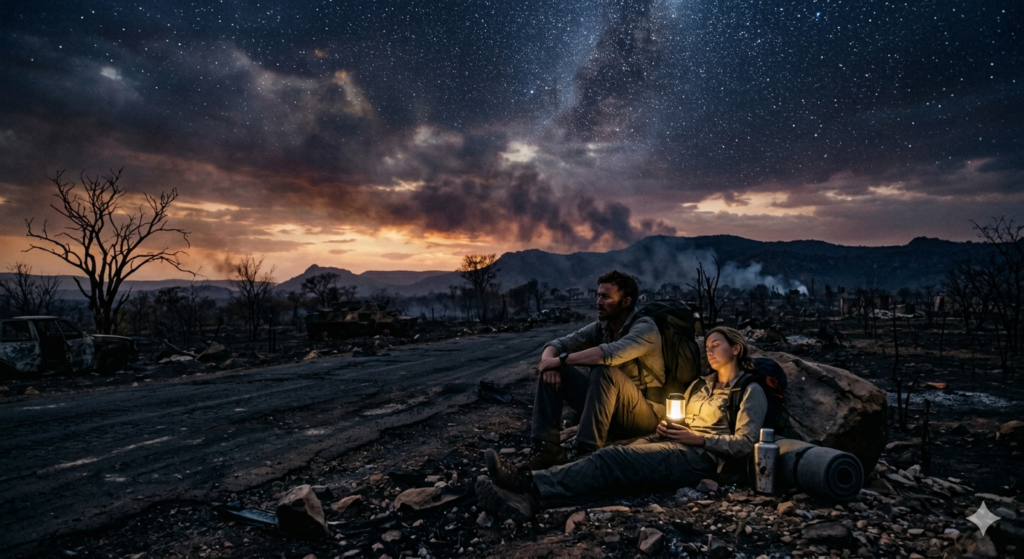
The novel does not offer clean recovery because Couto recognizes that certain forms of violence leave permanent fractures. Trauma changes societies irreversibly.
Yet the book is not hopeless.
Moments of tenderness,
storytelling,
companionship,
memory,
and imagination continue surviving within devastation.
That fragile persistence feels more emotionally truthful than simplistic optimism.
The novel suggests survival itself can become a form of quiet resistance.
Why Sleepwalking Land Matters Globally
Although rooted deeply in Mozambique’s civil war, the novel speaks far beyond one historical conflict.
Couto captures universal dimensions of post-war existence:
displacement,
memory,
psychological fragmentation,
survival,
and the struggle to rebuild meaning after collective catastrophe.
This is why the novel continues resonating internationally. It understands war not merely as political event, but as emotional condition lingering long after physical violence ends.
Many contemporary societies still live inside variations of this aftermath.
Final Thoughts
Sleepwalking Land is what post-war fiction should look like because Mia Couto refuses false clarity.
He understands that catastrophic violence fractures reality itself. Memory becomes unstable. Language becomes poetic because ordinary speech cannot fully contain trauma. History feels dreamlike because suffering overwhelms narrative order.
The novel’s fragmented beauty is not aesthetic indulgence.
It is psychological truth.
Couto shows that after war, people do not simply rebuild cities.
They must rebuild meaning itself.